

Introduction: The Cost of a Mismatch
In automated packaging, there is no “one-size-fits-all” feeder.
We have seen factories try to use a standard inclined belt to feed sticky marinated meat, only to face hourly jams. We have seen others use vibratory pans for fine milk powder, creating massive dust clouds and weight inaccuracies.
Choosing the wrong feeder is the fastest way to kill your line’s efficiency.
To help you navigate these engineering decisions, we have created this feeding system selection guide. Whether you are a machine manufacturer or a factory manager, following these steps will ensure you match the right technology to your specific application.
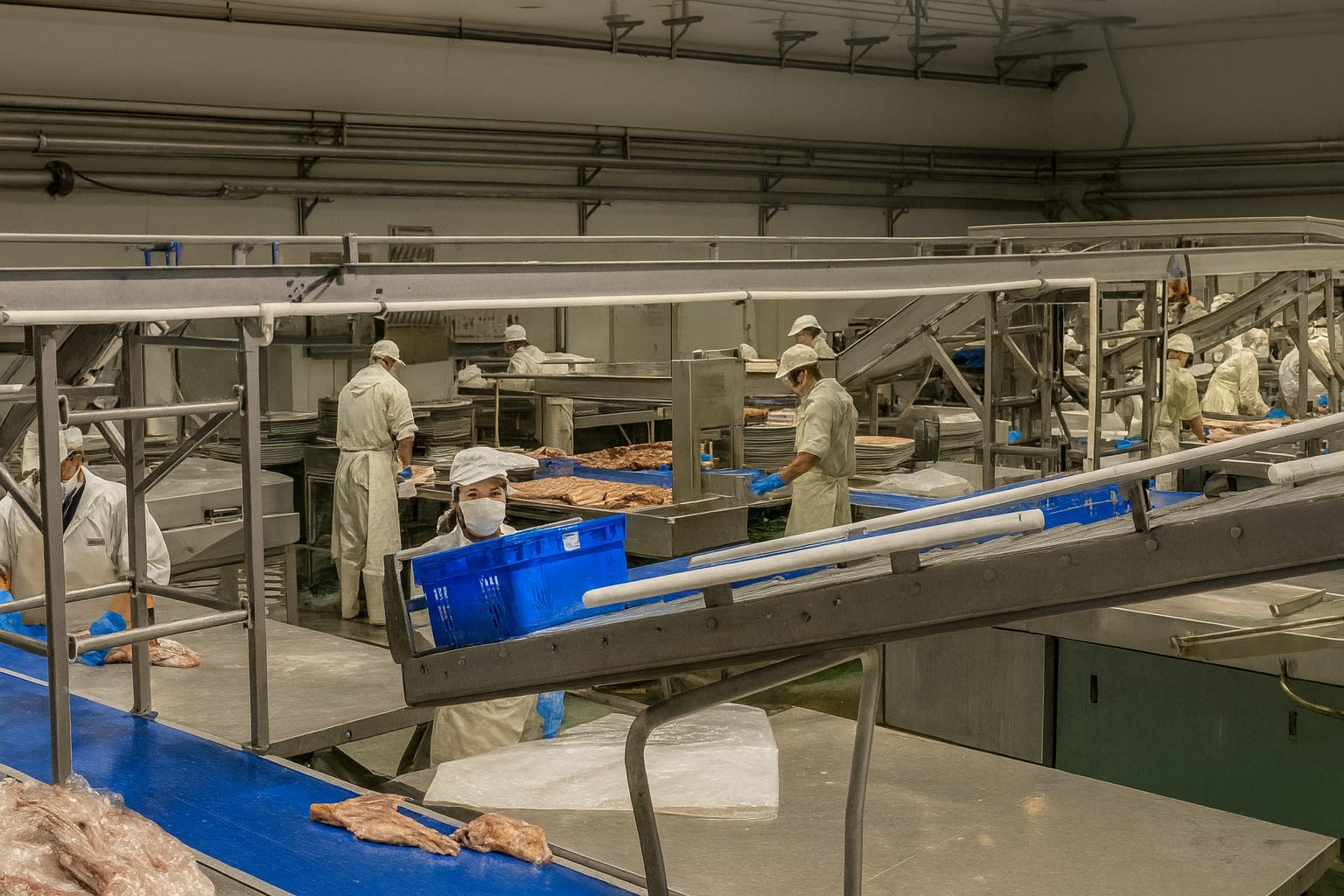
Step 1: Analyze Your Product Characteristics
The first rule of engineering is: Respect the Product. Before you look at machine specs, you must define your product characteristics. Ask yourself three critical questions:
Is it Free-Flowing or Non-Free-Flowing?
Free-Flowing (e.g., Rice, Nuts): These move easily. Gravity is your friend.
Non-Free-Flowing (e.g., Flour, Spices): These bridge and clump. They need active force to move.
Is it Fragile?
Fragile (e.g., Potato Chips, Biscuits): Drops and aggressive vibration will cause breakage and waste.
Is it Sticky or Wet?
Sticky (e.g., Gummy Candies, Fresh Meat): These will adhere to standard belt surfaces and clog transfer points.
Understanding these traits is the foundation of designing effective feeding systems for weighing and packaging.
Step 2: Select the Right Technology
Once you know the product, the choice between technologies becomes clear.
Option A: Flexible Screw Feeders (The Solution for Powders)
If you are handling powders or granules, a screw feeder (or auger conveyor) is usually the best choice.
Why: The rotating spiral actively breaks “bridges” inside the hopper and forces the material forward. The enclosed tube prevents dust from escaping, keeping your factory clean.
Best For: Flour, spices, coffee grounds, chemical powders.
Option B: Vibratory Feeders (The Solution for Solids)
If you are handling solid pieces, snacks, or hardware, vibratory technology is superior.
Why: The gentle vibration spreads the product out into a single layer (singulation), which is perfect for feeding a Multihead Weigher. For fragile items, “Horizontal Motion” (Fastback) feeders can glide product forward without breakage.
Best For: Chips, nuts, frozen vegetables, candy, hardware parts.
Step 3: The Need for Control
A common mistake is buying a “dumb” feeder that just runs at 100% speed. To achieve high OEE, you need controlled feeding systems.
This means the feeder must integrate with your packaging line’s logic.
Level Control: Does the feeder stop instantly when the weigher is full?
Variable Speed: Can it slow down to a “trickle” feed for precise metering?
Interlocks: Does it communicate with the VFFS machine to prevent overfilling?
Without these control features, you will constantly fight against starvation (empty scales) or flooding (jammed scales).
Step 4: Hygiene and Maintenance
Finally, look at the physical design.
For Screw Feeders: Can the operator remove the spiral for cleaning without tools?
For Vibratory Feeders: Is the pan made of polished Stainless Steel (SS304) with open-frame construction?
In the food industry, a feeder that takes 2 hours to clean will destroy your daily productivity. Always prioritize Easy-Clean designs.
Conclusion: Make the Right Match
Selecting a feeder is not just about moving product; it is about protecting product integrity and ensuring weighing accuracy.
By using this feeding system selection guide, you can avoid costly mistakes and build a packaging line that runs smoothly from day one.
Still unsure which feeder fits your product? Send us your product details. Our engineers will simulate the flow and recommend the perfect screw or vibratory solution.