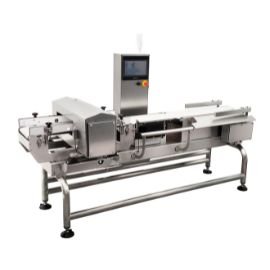

Belt Conveyor Applications in Packaging Lines

A belt conveyor is a core part of an automated packaging line, designed to transport products smoothly between weighing, filling, and packing stations.
Conveyor systems play a critical role in production efficiency, product handling stability, and line integration.

What is a Conveyor Belt? | Definition

A Conveyor Belt is a continuous moving surface used to transport products along a production line.
Driven by motorized pulleys, it works on the principle of friction drive, carrying items from the loading point to the discharge point with stable and efficient movement.

In the food industry, conveyor belts are essential for product handling, automated packaging, and processing lines, ensuring hygiene and consistency.

Types of Belt Conveyors for Packaging Lines

Flat Belt Conveyor – for horizontal transport

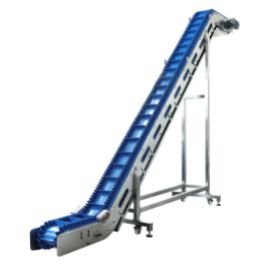
Incline Belt Conveyor – for height differences

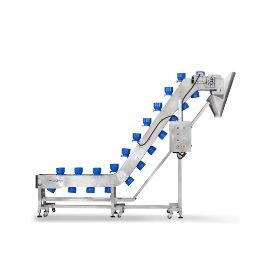
Z Type Conveyor – for vertical transfer

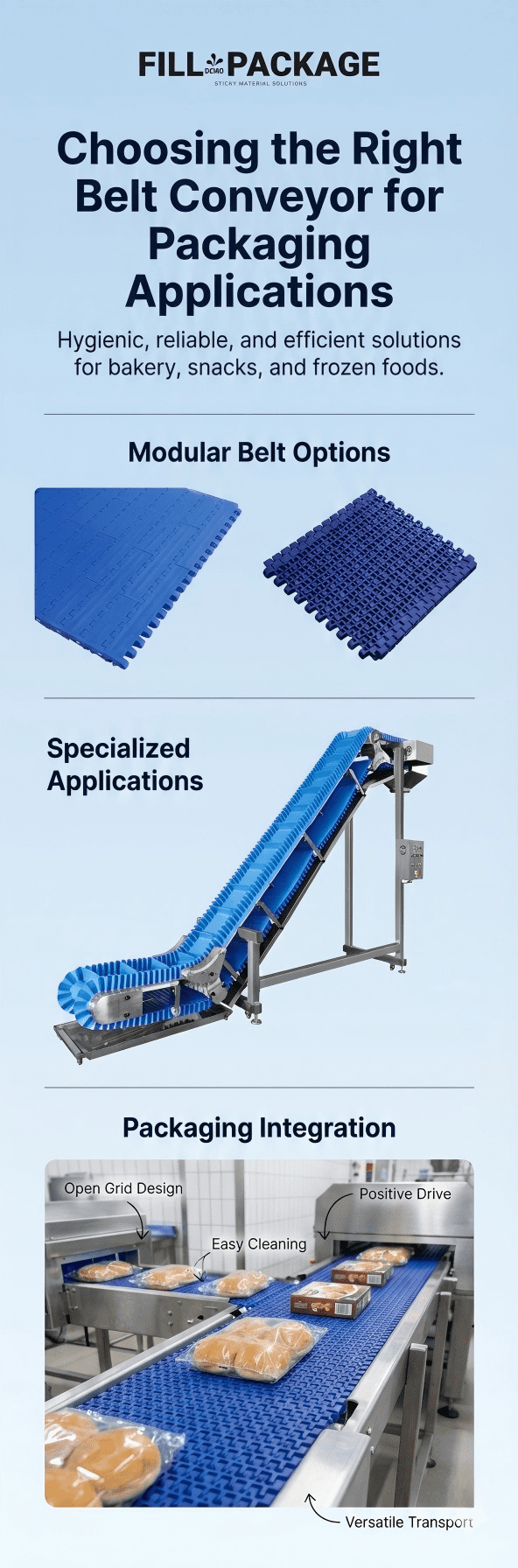
Modular Belt Conveyor – for washdown & food grade

A conveyor belt is not just a moving platform. It’s a critical link in every automated production line.

How Do Conveyor Belts Work? (3)

Conveyor belts operate through a looped belt stretched over rollers and pulleys, driven by a motor.
Friction between the belt and the drive pulley moves the belt, transporting products along the desired path.

For specialized systems like curved conveyor belts, angled rollers or modular plastic links are used to allow smooth turns without product slipping.

Plastic Modular Belts    How do conveyor belts work

Benefits With Our Belt Conveyor

Fast
Wide Range

Various sizes are adapted to different heights of transportion applications .various belt for selected according to materials .

ecomony
Attractive Price

When ensuring excellent quality ,our price is very attractive ,Our price is the best for the same quality .

fast lead time
Fast Lead Time

we have sufficent materials in stock and rich production experience ,cargoes will be delivery at fasted speed .

customized
Customized Conveyors

Size and materials are not only,they can be selected according to customer need or actual applications

Conveyor Belt Types & Applications in the Food Industry

Flat Belt Conveyor

Simple, cost-effective solution for straight-line product transport.
Ideal for general food processing and packaging applications.

Modular Belt Conveyors

Using plastic modular conveyor belts, these systems are durable, hygienic, and perfect for wet, oily, or abrasive products.
Widely used in seafood, meat, and vegetable processing.

Cleated Conveyor Belts

Featuring vertical cleats to prevent product rollback on inclines.
Common in applications like powder transfer, grain handling, and snack packaging.

  • Related terms: cleated conveyors, cleated incline conveyor, cleated belt conveyor design, cleated conveyor belt manufacturer
✅  Sidewall Conveyor Belts

With sidewall conveyor belts or side wall conveyors, materials are securely transported at steep inclines without spillage.
Perfect for loose, granular, or bulk food items.

  • Related: corrugated sidewall conveyor belt
Incline & Decline Conveyor Systems

Custom-built to move products up or down in elevation.
Used in compact production layouts and vertical transfers.

  • Related: incline conveyor systems, incline conveyor belt, incline conveyor belt types, incline conveyor belt for sale, decline conveyor

Curved Belt Conveyors

Allowing smooth 30°, 45°, 90° turns in limited spaces.
Ideal for optimizing factory layouts.

  • Related: curved belt conveyors, curved conveyor belt, how do curved conveyor belts work

Stainless Steel Belt Conveyors

For harsh environments requiring hygiene and durability.
Common in seafood, frozen food, and industrial baking lines.

  • Related: stainless steel belt conveyor, stainless steel conveyor belt manufacturers, stainless steel conveyor belt price

✅ Sandwich Belt Conveyor Systems

Specialized systems using two belts to grip and elevate products vertically.
Suitable for unique elevation and gentle handling applications.

  • Related: sandwich conveyor belt, sandwich belt conveyor system

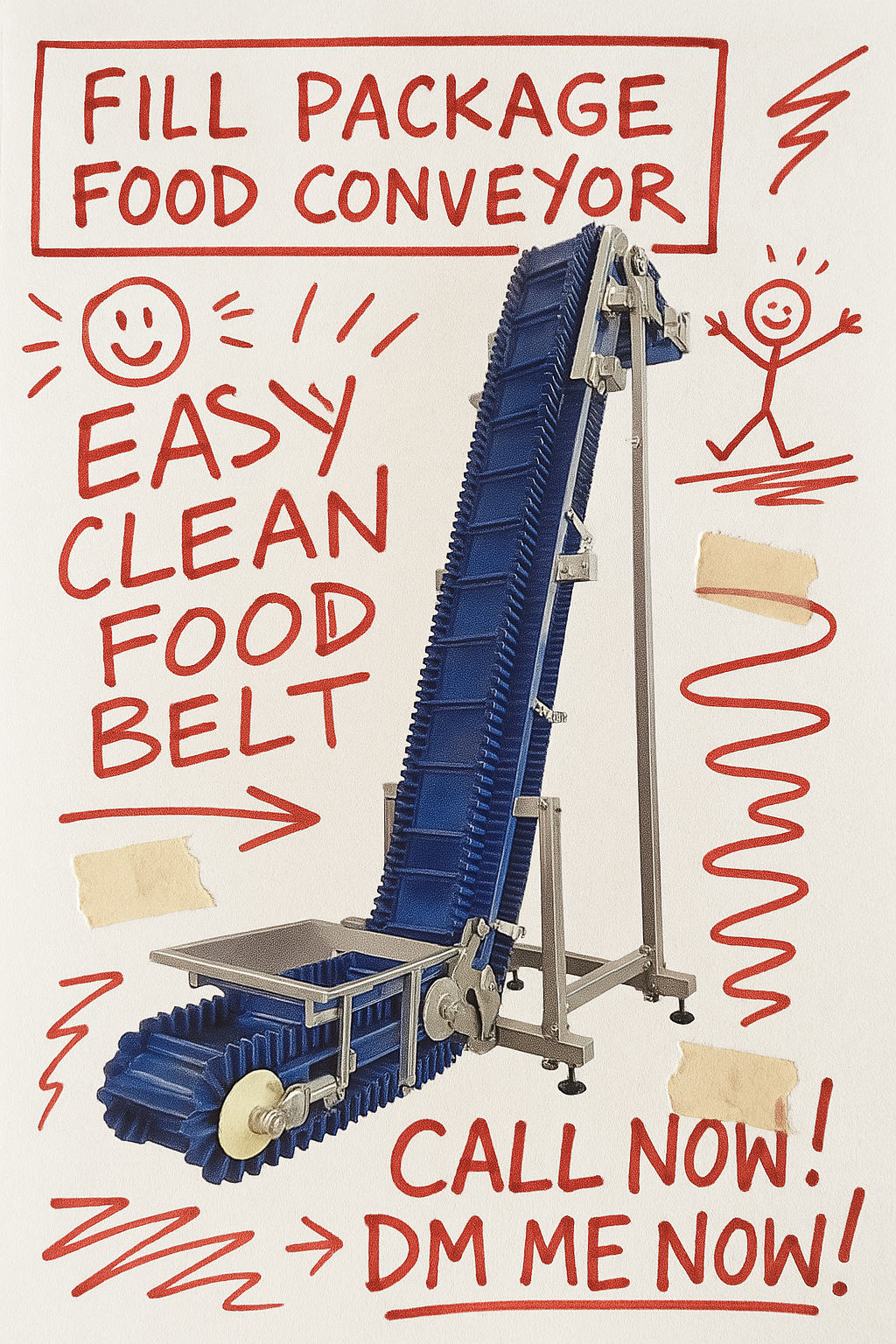
Easy Clean Conveyor

Designed with easy to detach & clean components, this conveyor is ideal for industries requiring strict hygiene standards, such as fresh produce, meat, seafood, and ready-to-eat foods.
Our easy clean conveyors feature tool-free disassembly, smooth surfaces, and optimized conveyor cleaning systems for fast sanitation cycles.

Whether you need a sanitary conveyor, a hygienic conveyor design, or an easy to clean conveyor solution, we provide systems that reduce cleaning time and increase production uptime.

belt conveyor for sale
cost of belt conveyor

Applications of Conveyor Systems in Packaging

Conveyor systems are widely used throughout automated packaging lines to ensure smooth product flow, stable operation, and consistent production efficiency.

Typical applications include:

  • Feeding products to weighing systems
    Conveyors transport products steadily to multihead weighers, linear weighers, or counting systems, helping maintain consistent feeding rates and weighing accuracy.

  • Product transfer between packaging stations
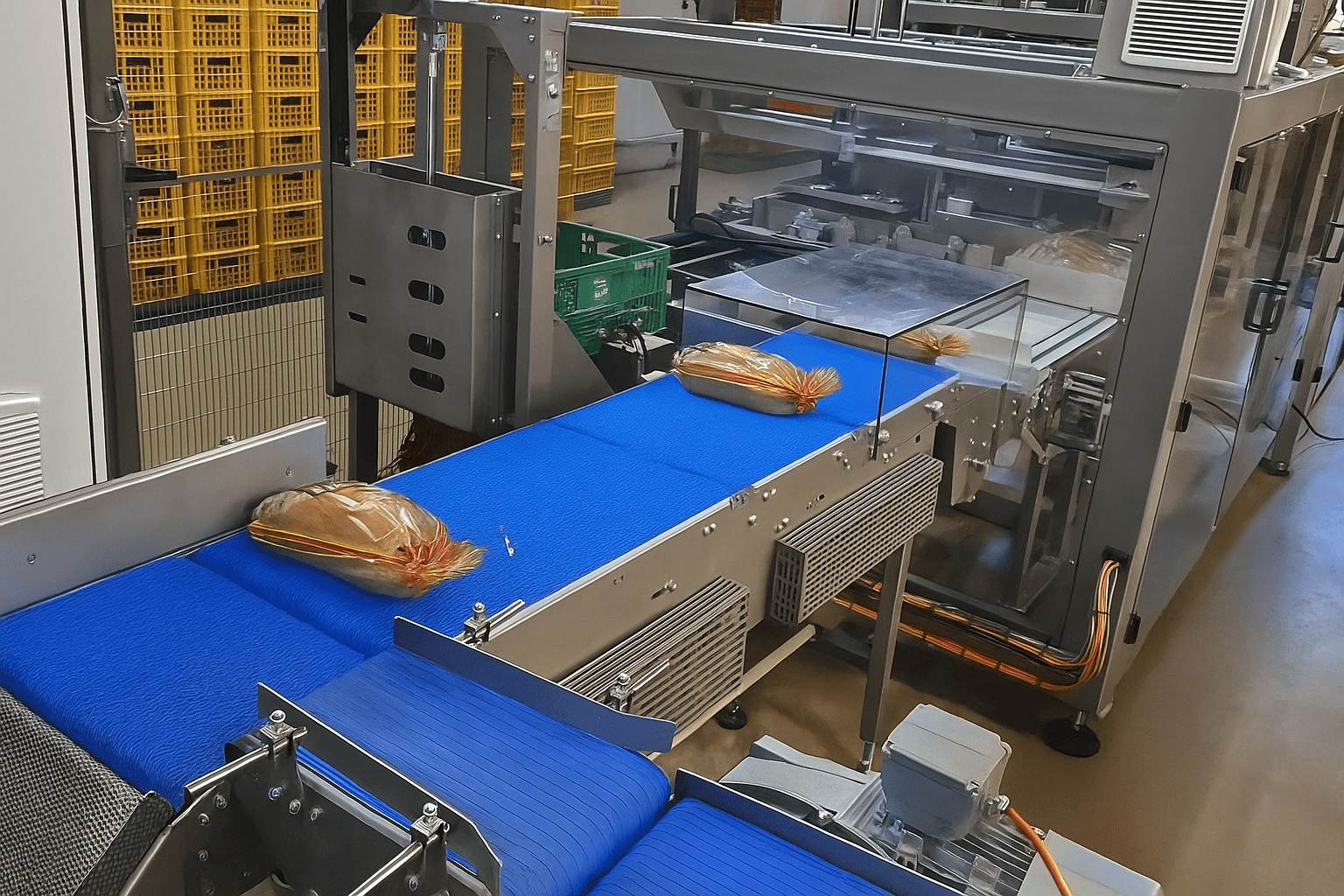
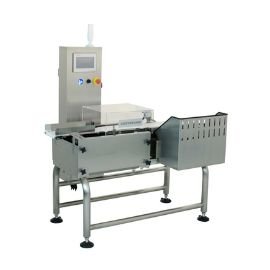
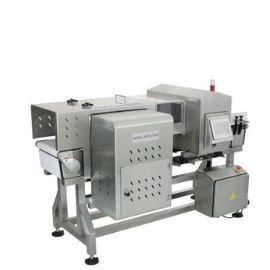
    Conveyor systems connect different stages of the packaging process, such as weighing, filling, sealing, inspection, and packing.

  • Discharging finished packages
    After sealing, conveyors are used to move finished bags away from VFFS machines for further inspection, accumulation, or secondary packaging.

  • Buffering and accumulation
    In high-speed lines, conveyors help absorb speed differences between machines, reducing stoppages and improving overall line stability.

A properly designed conveyor system ensures that products move smoothly, safely, and efficiently throughout the entire packaging process.

Why Conveyor Design Matters in Automated Lines

In automated packaging lines, conveyor systems are not simply used to move products from point A to point B.
Conveyor design directly affects line stability, efficiency, and product handling quality.

Poor conveyor design can lead to:

  • Product tipping, sliding, or falling during transport
  • Inconsistent feeding into the downstream equipment
  • Bottlenecks that reduce overall line speed
  • Increased product damage or unplanned downtime

Key design factors include:

  • Product characteristics (size, weight, shape, surface condition)

  • Conveying speed and incline angle

  • Belt type and surface material

  • Frame structure and support stability

A well-designed conveyor system maintains controlled product movement, supports stable machine operation, and helps packaging lines run at their intended capacity.

Conveyor Belt Size & Customization
multihead weigher packaging machines

Integration with Packaging Equipment

Conveyor systems play a critical role in integrating different machines into a cohesive and efficient packaging line.

They are commonly integrated with:

Proper integration requires attention to:

  • Height alignment between machines

  • Speed synchronization across the line

  • Smooth transfer points to prevent product loss or jams

  • Electrical and control system coordination

When conveyors are designed as part of the overall packaging system—not as afterthoughts—they help ensure stable operation, reduced downtime, and higher production efficiency.

Conveyor systems should be designed together with weighing and packaging equipment to achieve optimal line performance.

Why Choose Fill Package Conveyor Belts?

Custom-built for food industry applications

✅ Top-quality materials from China’s leading suppliers

✅ Proven integration with global packaging machine brands

✅ Full-welded frames for superior durability

✅ Flexible designs for any layout: incline, curve, sidewall, cleated

✅ Reliable after-sales support & responsive service

✅ Most clients become long-term repeat customers

inclined conveyor belt with S shape

Fill&Package Conveyor Belt Advantage

conveyor belt parts details

All Fill Package conveyor belts feature enhanced frame reinforcement at stress points, reducing vibration and extending machine lifespan, even under continuous heavy-duty operation.

conveyor belt systerms

Our conveyor belts are designed with universal compatibility, ensuring smooth integration with international packaging lines from Europe, America, and Asia, minimizing modification costs for agents and integrators.

belt conveyor manufacturer
Belt Conveyor for Packaging
  • Thanks to every order ,it’s not only order ,but more for a trust form customers.


    Li Ding ding .R&D Department
  • Execution of each solution is like the birth of our new child .we are very happy , cherish every opportunity and enjoy it .


    Hu A .Design Department
  • No matter what’s the order. each one has a different story between us and our customers, Thank you for every encounter.

    Ma Sale Department
Belt Conveyor Blogs

1.Why the Belt Conveyor System is the Lifeline of Your Automated Packaging Line

2.Packaging Line Conveyor Selection Guide

3.Packaging Line Conveyor System Design

Build Your Conveyor Belt Solution with Fill Package

Whether you’re an agent, integrator, or equipment manufacturer, our food conveyor belts provide the quality, customization, and value you need.

FAQs About Conveyor Systems

What is a belt conveyor used for in packaging lines?

A belt conveyor is used to transport products smoothly between different stages of a packaging line, such as weighing, filling, sealing, and inspection.

How do conveyor systems affect packaging line efficiency?

Properly designed conveyor systems help maintain stable product flow, reduce bottlenecks, and improve overall line efficiency in automated packaging operations.

Can conveyor systems be customized for different products?

Yes. Conveyor systems can be customized based on product characteristics, layout requirements, speed, and integration with other packaging equipment.

How are conveyors integrated with packaging machines?

Conveyors are integrated by aligning heights, synchronizing speeds, and ensuring smooth transfer points between packaging machines and downstream equipment.

Are conveyor systems suitable for food packaging applications?

Yes. Conveyor systems can be designed with food-grade materials and structures suitable for hygiene requirements in food packaging environments.

What factors affect the cost of a belt conveyor?

The cost of a belt conveyor depends on several key factors:

  • Belt type and material (PU, PVC, modular plastic, stainless steel)

  • Conveyor size (length, width, height)

  • Motor brand and power (SEW or other specified brands)

  • Structural design (standard frame vs. full-welded heavy-duty frame)

  • Customization level (cleats, sidewalls, curves, incline/decline angles)

  • Additional features (hygienic design, easy clean mechanisms)

A simple flat belt conveyor costs less, while a food grade, easy clean conveyor with custom incline and modular belt will be higher.

How do I choose the right conveyor belt size?

Conveyor belt size selection depends on:

  • Product dimensions & weight

  • Required throughput (capacity per hour)

  • Available factory space

  • Height difference (incline/decline needs)

  • Integration with existing machines

Our team provides custom sizing proposals to match your production layout and efficiency goals.

What is a sanitary or easy clean conveyor?

A sanitary conveyor (or hygienic conveyor) is designed for easy cleaning and quick maintenance in industries with strict hygiene standards (e.g., food, pharmaceuticals).

Key features include:

  • Tool-free disassembly

  • Smooth surfaces, no dirt traps

  • Open frame design for washdown

  • Conveyor cleaning systems for fast sanitation

  • Easy to detach & clean belts and components

These systems reduce downtime and meet food safety compliance.

  • Related: easy clean conveyor, conveyor cleaning system, easy to clean conveyor design

What is the difference between flat belt and modular plastic conveyors?
  • Flat belt conveyors use continuous PU or PVC belts, suitable for general transport, simple layouts, and light to medium loads.
  • Modular plastic conveyors use interlocking plastic segments, offering higher durability, better drainage, and easier cleaning—ideal for wet, abrasive, or heavy products.

  • Related: flat belt conveyor belt, modular plastic conveyors, plastic modular conveyor belt

When should I use cleated or sidewall conveyor belts?

  • Cleated conveyors are used for inclined transport, preventing product rollback (e.g., grains, powders).

  • Sidewall conveyors (corrugated sidewall belts) are designed for steep inclines, keeping loose or bulk materials contained.

  • Related: cleated incline conveyor, sidewall conveyor belt, corrugated sidewall conveyor belt

How do curved conveyor belts work?

Curved conveyor belts use modular plastic links or precision-driven rollers to change product direction smoothly.
They maintain product orientation and flow in compact factory layouts.

  • Related: curved conveyor belt, how do curved conveyor belts work

What are the advantages of stainless steel conveyor belts?

Stainless steel conveyor belts are corrosion-resistant, hygienic, and durable.
They are used in seafood, frozen food, baking, and harsh environment applications.

  • Related: stainless steel conveyor belt manufacturers, stainless steel conveyor belt price

Can you customize conveyor belts for my specific factory layout?

Yes.
We specialize in custom conveyor solutions, including:

  • Incline & decline conveyors

  • Curved conveyors

  • Space-optimized designs

  • Conveyor belts sized and shaped to your layout

  • Specialized accessories (guides, hoppers, sensors)

Every system is designed based on your product and production flow.

What is the typical lead time for a conveyor belt order?

  • Standard flat belt conveyors: 15–20 working days

  • Customized conveyors (incline, sidewall, modular plastic): 15–25 working days

  • Highly specialized systems (sandwich belts, complex curves): to be confirmed after design

What after-sales support do you provide?

We offer:

  • Full documentation (drawings, manuals)

  • Online technical support

  • Spare parts supply with transparent pricing

  • Long-term service partnerships
    Our goal is to ensure smooth operation, fast problem resolution, and long-term cooperation.

Send Your Inquiry Today
Quick Quote
Scroll to Top