

This is not a marketing problem. It is a packaging problem. And it has a clear packaging solution.
Irregular shape sachets break from the rectangular standard. They are custom-shaped pouches that catch the eye before a consumer reads a single word. A jelly pouch shaped like a fruit. A cosmetic sachet with a tapered waist. A sauce portion with a curved profile. These are not gimmicks. They are brand signals that communicate quality and confidence at first glance.
This article explains why shaped sachets work, which categories benefit most, what the real investment looks like, and how to move from a concept to a production-ready shaped pouch.
Why shape works before everything else
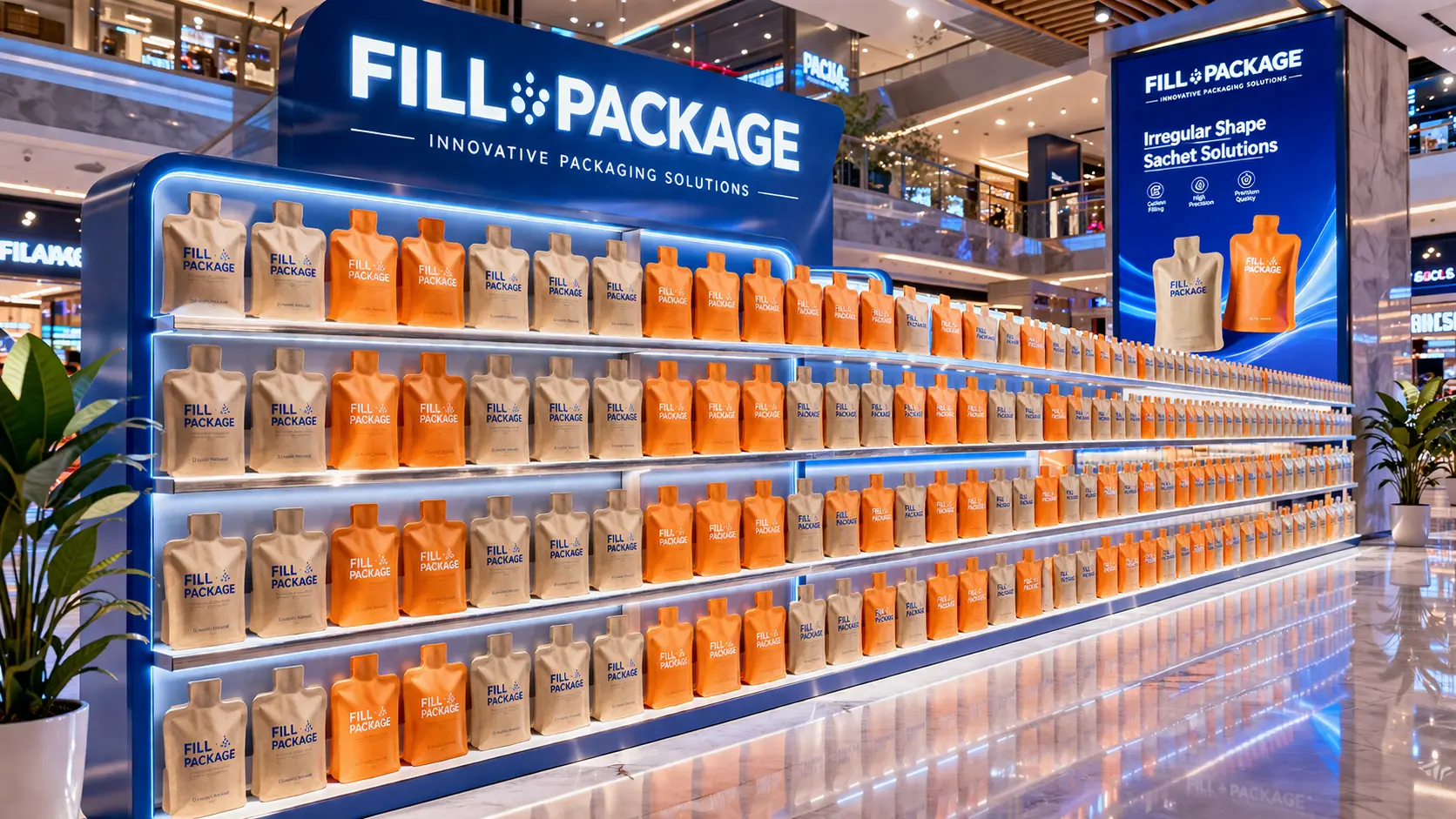
The brain processes shape before colour and before text. When a consumer scans a retail shelf, the visual system first registers outlines and silhouettes. It uses that information to direct attention. Colour and text come a fraction of a second later.
So in a shelf section where every product is a rectangle, every brand competes on exactly the same terms: colour and label design. The best graphic designer wins. However, if one product is a different shape, that product registers as visually distinct before the consumer consciously looks at it.
Therefore, shape is a structural advantage. No label redesign or colour change can replicate it. For brands in competitive sachet categories — jelly snacks, condiments, cosmetic samples, functional gels — this advantage is real and measurable at shelf.
Which categories benefit most
Not every sachet category benefits equally. The impact is highest when three conditions are met. First, the consumer makes a quick, visual purchase decision. Second, the shelf is crowded with competing rectangular products. Third, the product margin can absorb the tooling investment — or the shaped format justifies a retail price uplift.
Children’s jelly and snack pouches
This is the highest-impact category for irregular shape sachet production. A strawberry-shaped jelly sachet communicates flavour and fun in one glance. The shape does the selling before the child reads anything. As a result, a rectangular jelly sachet competes on price. A shaped jelly sachet competes on brand. That difference is worth far more than the tooling cost. → See our Jelly Packaging Machine: BY-JLS180G
Cosmetic and personal care samples
Cosmetic brands use shaped packaging at full-size level all the time — curved bottles, tapered tubes, distinctive caps. However, the sachet sample format has historically lagged behind because standard sachet machines cannot produce shapes.
A shaped sample sachet changes that. It signals that the brand cares about detail at every touchpoint, including the trial format. For example, a serum brand sampling in a shaped sachet with the same silhouette as its signature bottle delivers a consistent brand experience. That consistency drives trial-to-purchase conversion. → See our 4-Side Seal Shaped Pouch Machine: BY-JLS160Y
Premium condiments and sauce portions
The food service sector has moved toward premium single-serve packaging. A branded honey portion in a shaped sachet sits better on a hotel breakfast table than a generic pillow sachet. Additionally, it justifies a higher unit price to the buyer. For brands supplying premium channels, the shaped sachet is a commercial argument in itself. → See our Side Seal Shaped Pouch Machine: BY-JLC160Y
Functional drinks and sports nutrition gels
Sports nutrition consumers are among the most design-conscious shoppers in any FMCG sector. A gel sachet in a custom shape — ergonomic, instantly recognisable — communicates performance and design attention that a rectangle cannot. In a category where many competing gels are technically similar, packaging is a primary differentiator.
Pharmaceutical oral liquids and paediatric nutrition
Shaped sachets in pharmaceutical applications serve a functional purpose beyond aesthetics. They make single-dose compliance easier. A distinctive shaped pouch is immediately recognisable to caregivers. For paediatric products, this also reduces dosing errors by making the pouch unmistakably different from adult sachets in the same cabinet.
What “custom shape” means in production
There is a common misconception about shaped sachets. Many manufacturers assume that every new shape requires a new machine. In fact, this is not how it works.
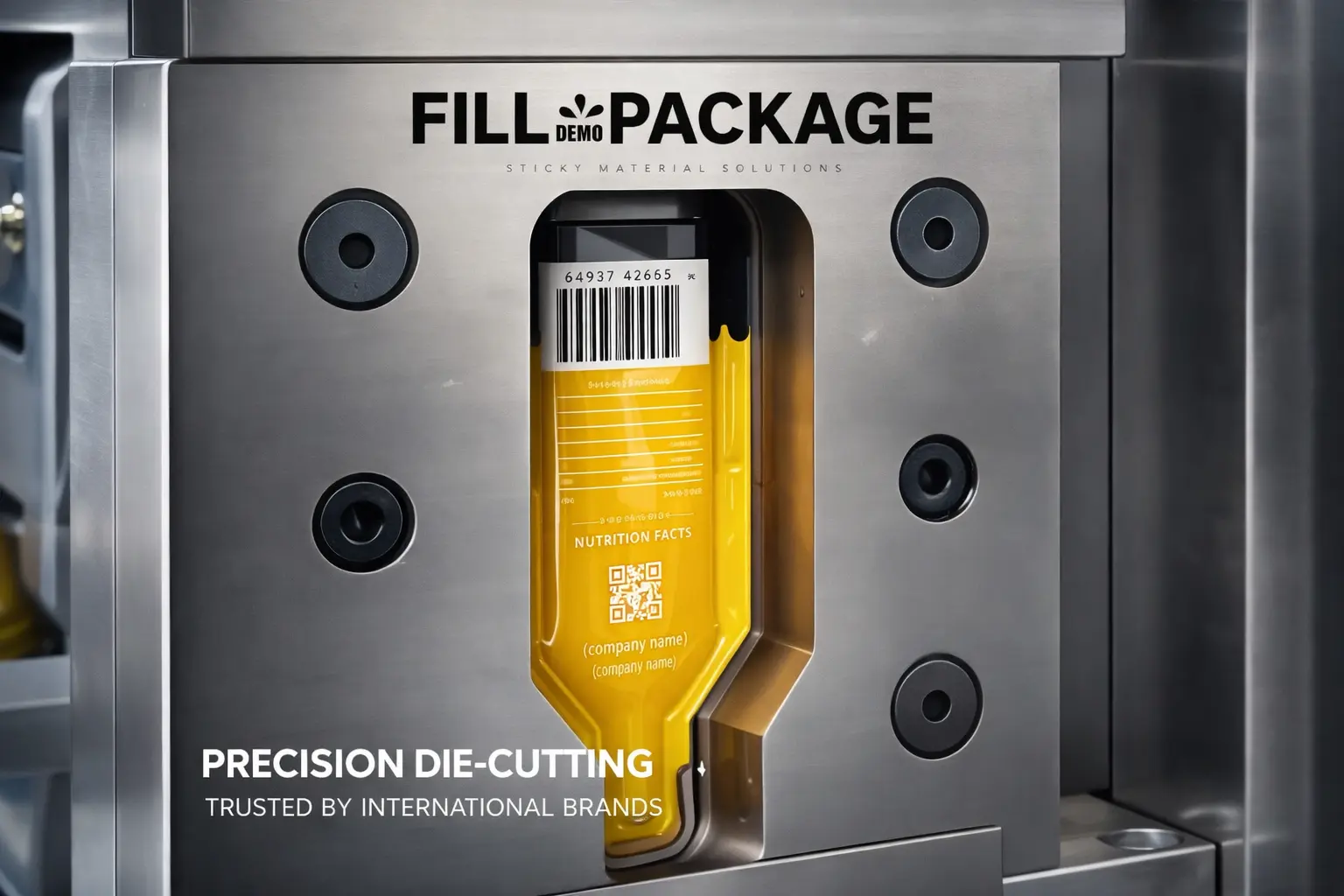
A shaped sachet machine — such as the BY-JLS160Y, BY-JLC160Y, or BY-JLS180G — handles pouch forming, filling, and sealing using the same core platform as any standard sachet filling and sealing machine. The shape comes from a die-cut tooling set. This is a precision-machined die that cuts the film to your specified profile during or after the sealing process.
The die is shape-specific. The machine is not.
This distinction matters commercially. The machine is a capital asset that serves your entire operation. If you want to add a second shape, you commission a new die — a fraction of the machine cost. If you discontinue a shape, the machine continues running without any loss of value.
The die tooling is a one-time fixed cost per shape design. After that, every sachet you produce costs essentially the same as a rectangular sachet. The same film. The same speed. The same labour. In other words, the differentiation becomes free once the tooling is paid for.
How the die-cut process works
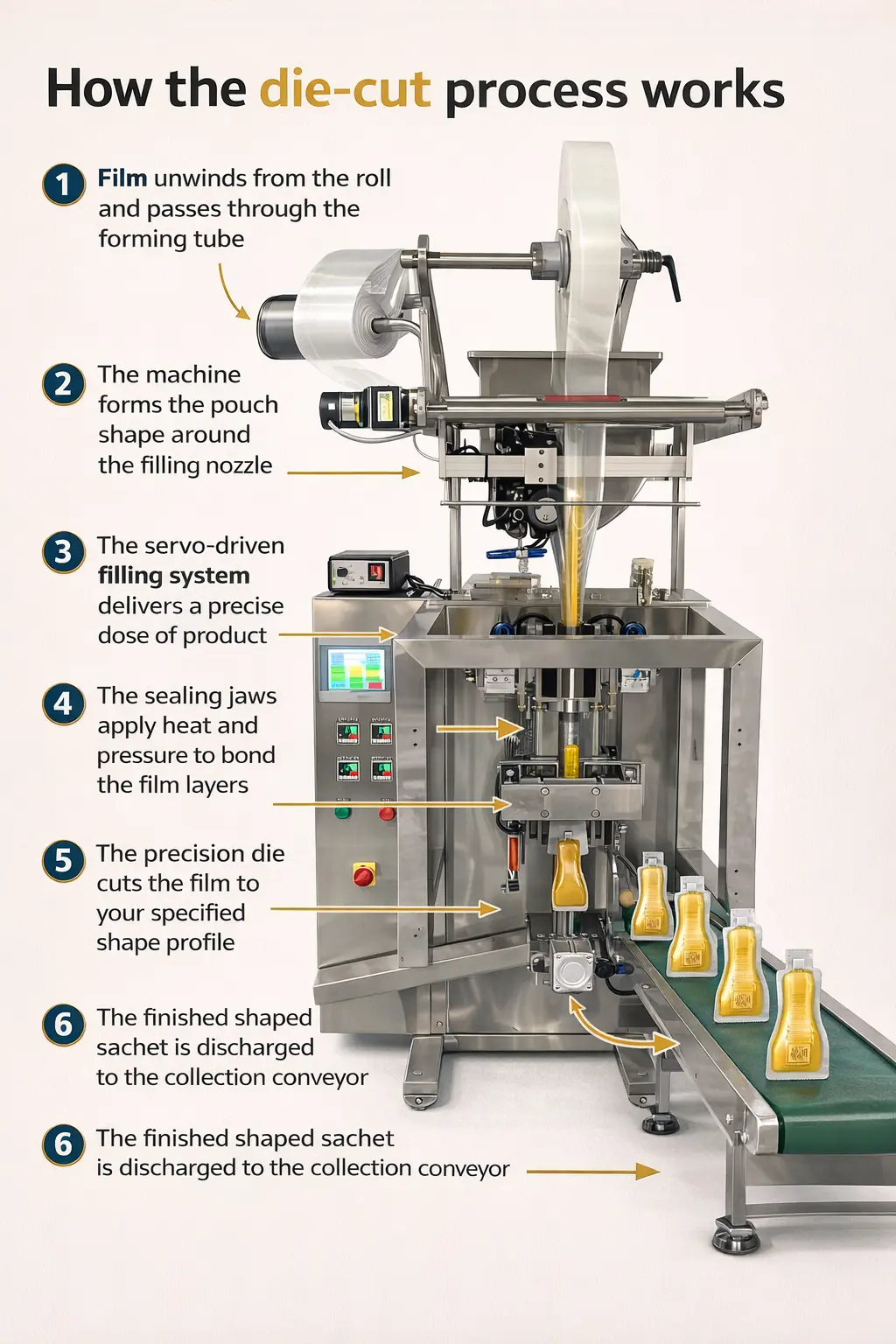
Here is the step-by-step process inside a shaped sachet machine:
- Film unwinds from the roll and passes through the forming tube
- The machine forms the pouch shape around the filling nozzle
- Các servo-driven filling system delivers a precise dose of product
- The sealing jaws apply heat and pressure to bond the film layers
- Các precision die cuts the film to your specified shape profile
- The finished shaped sachet is discharged to the collection conveyor
Each step is controlled by the PLC system in real time. The die-cut happens after sealing — so the seal integrity is never compromised by the shaping process itself.
How long does tooling take?
Lead times depend on shape complexity. Simple shapes — rounded rectangles or basic fruit profiles with smooth curves — are faster to produce. Complex character shapes take longer. Therefore, build the tooling lead time into your project plan from the start. This is the longest-lead component in getting a shaped sachet to market.
The business case: standard vs shaped sachets
Many manufacturers ask the same question before committing: does the investment in shaped tooling actually pay back? The answer, for most categories, is yes — and faster than expected. Here is why.
ROI comparison: standard rectangular sachet vs irregular shape sachet
| Factor | Standard Rectangular Sachet | Irregular Shape Sachet |
|---|---|---|
| Die tooling cost | Không có | One-time fixed cost per shape |
| Per-sachet film cost | Base cost | Marginally higher (small perimeter waste) |
| Per-sachet production cost | Base cost | Essentially the same |
| Retail shelf visibility | Competes on colour and label only | Differentiates at the shape level first |
| Retail price premium | Standard market price | 15–40% premium possible in most categories |
| Retailer listing advantage | Competing with similar formats | Visual variety justifies shelf space |
| Consumer shelf conversion rate | Baseline | Measurably higher in A/B shelf tests |
| Cosmetic trial-to-purchase rate | Baseline | Higher — premium sample drives premium perception |
| Tooling payback period | N/A | Typically within first production year at commercial volume |
Where the return actually comes from
Three value drivers deliver the ROI. First, the retail price premium that a shaped sachet justifies. Second, the improvement in shelf conversion — more consumers pick up your product versus passing it by. Third, for cosmetic brands specifically, improved trial-to-purchase conversion from a more premium sample format.
Additionally, shaped sachets create a retailer listing advantage. Buyers managing category space prefer products that add visual variety. A shaped sachet in a category of rectangles justifies shelf space in a way that another rectangular sachet simply does not.
Most manufacturers who make this transition report that tooling pays back within the first production year. This happens because the price premium, conversion improvement, and channel access effects compound together. The combined result is faster payback than any pre-launch financial model typically estimates.
Five mistakes to avoid
Mistake 1: Designing the shape without checking filling constraints
A shape that looks elegant in a design file may cause production problems. For example, some geometries trap air or create irregular liquid distribution inside the pouch. Always share your shape concept with your machine supplier before finalising it. Experienced engineers will flag issues before the tooling is cut — saving you a costly redesign later.
Mistake 2: Choosing the wrong seal format for your shape
A wide, flat shape suits a four-side seal. A tall, narrow shape suits a side seal. A stand-up jelly shape suits a three-side seal. Matching the seal format to the shape geometry affects both production efficiency and the visual quality of the finished pouch. Getting this wrong after tooling is cut is expensive to fix.
Mistake 3: Underestimating the film specification
The film laminate affects both visual quality and seal integrity. A shape with tight curves puts more stress on the seal at those points than a straight rectangle does. Therefore, discuss your shape with your film supplier and your machine supplier at the same time — not one after the other.
Mistake 4: Skipping the production trial
Every shape behaves slightly differently in production. Fill distribution, seal performance at curve points, and consumer ease of opening all need validation with actual trial data. No credible machine supplier will ask you to skip this step. It is the single most important pre-launch check in shaped sachet production.
Mistake 5: Treating shape as decoration rather than strategy
A shaped sachet that has no connection to the brand or product category delivers far less value than one where the shape communicates something specific. Shape is a brand decision first and a packaging decision second. Involve your marketing team in the brief from the very start — not after the tooling design is finalised.
From concept to production: a realistic timeline
Planning your first shaped sachet product launch? Here is a realistic timeline from concept to commercial production.
Weeks 1–2: Shape concept and brief. Define the shape with your marketing team. A sketch is enough at this stage — it does not need to be a CAD file. Identify your fill weight, product type, and preferred seal format. Send the brief to your machine supplier.
Weeks 2–4: Machine and tooling specification. Your supplier reviews the brief and confirms the right machine model, seal format, and product-specific configurations — for example, temperature control for high-viscosity products or anti-drip nozzle specification for thin liquids. The tooling design process begins. Simple shapes take around one week to design. Complex shapes take two.
Weeks 4–8: Tooling manufacture. The die is manufactured to the approved design. This is typically the longest phase. Do not announce your product launch date until tooling completion is confirmed.
Week 8–9: Production trial. A trial run uses your actual product and the new die. You receive fill weight data and shaped sample pouches. Any parameter adjustments happen at this stage. Additionally, you can use trial samples for retailer presentations or consumer research before committing to full production.
Week 10 onwards: Commercial production. Full production begins. First batches go to retailers, trade shows, or your initial market launch.
This timeline suits a straightforward shape and a single product. Complex shapes or challenging product viscosities may require additional time at the trial stage. Build contingency into your schedule and communicate realistic timelines to your sales team before they commit to a launch date.
Phần kết luận
Moving from standard rectangular sachets to irregular shape sachets is one of the most effective packaging decisions available to mid-market brands in sachet categories.
The mechanism is simple. Shape registers before colour and text at retail. A distinctive shape in a category of rectangles captures attention at the most fundamental visual level. The investment is a one-time die tooling cost. The ongoing production economics are essentially the same as for a standard sachet. The return — price premium, shelf conversion improvement, and retailer listing advantage — typically pays back within the first production year.
The practical barrier for most manufacturers is not cost or complexity. It is unfamiliarity with the process. This guide has tried to close that gap.
The next step is a conversation with an engineer and a shape trial with your actual product. Both are available at no charge.
Download the Shaped Pouch Machine Catalog →