

In 2026, the Year of the Horse in China, the first viral sensation wasn’t a meticulously designed mascot, but a “defective” product dubbed the “Crying Horse.” This phenomenal marketing case study not only reveals profound shifts in the current consumer market but also offers invaluable insights for those of us in traditional B2B manufacturing, including the máquinas de embalagem industry.
How a “Defective” Product Ignited a Market
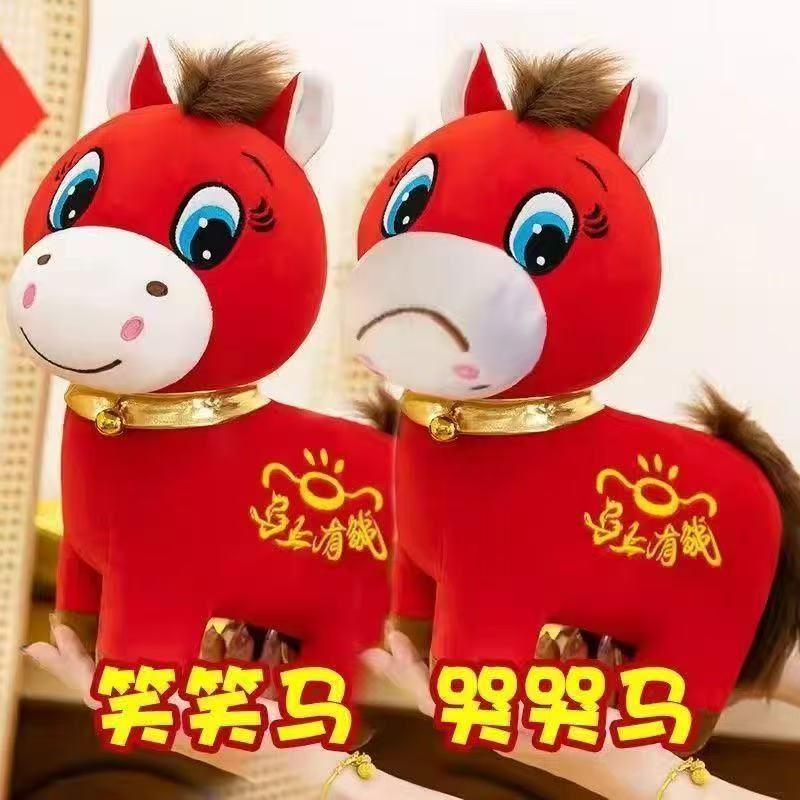
The story begins simply. To celebrate the Year of the Horse, a “Smiling Horse” mascot, carrying the auspicious meaning of “instant wealth,” was launched. However, one customer received a package containing not only a normal “Smiling Horse” but also one with its mouth accidentally sewn upside down, giving it a crying expression.
When the seller reported this quality issue to the manufacturer and promised the customer a replacement, the unexpected happened. A picture of the “Crying Horse” went viral on social media, resonating deeply with young consumers. They expressed that, compared to the perpetually smiling version, the “Crying Horse” was a more accurate reflection of their own lives as hardworking professionals (often self-deprecatingly called “corporate cattle and horses”). As they put it, “Who can be happy when you’re being worked like a horse?”
The market’s reaction was swift and powerful:
- Demand Reversal: Consumers began asking for the “Crying Horse,” with demand far outstripping that of the original “Smiling Horse.”
- Production Pivot: The manufacturer astutely seized this opportunity, shifting all production lines to the “Crying Horse.” The original “perfect” product was taken off the shelves.
- Explosive Orders: Orders for the “Crying Horse” quickly backed up for months, forcing the factory to open several new production lines.
The most fascinating part of this story is that an unintentional “flaw” ultimately became the core selling point that ignited the market.
What Does a Toy’s Story Have to Do with Packaging Machines?
This is the crucial question. On the surface, it’s an isolated incident in the consumer goods sector, but the underlying business logic is just as applicable to the B2B world. It tells us that in any field, once material and functional needs are met, the customer’s decision-making balance shifts toward brand value e emotional value.
For the máquinas de embalagem industry, this means our customers—be they factory managers, production supervisors, or procurement heads—are purchasing far more than just a cold machine of steel and servo motors.
Lesson 1: From Functional Value to Emotional Value—What “Pain” Does Your Equipment Solve?
The “Crying Horse” succeeded because it provided an emotional outlet. Likewise, a superior piece of equipamentos de embalagem should also deliver emotional value to our B2B customers.
- A customer isn’t just buying “a speed of 100 bags per minute”; they are buying the peace of mind that comes from a reliable machine that lets them sleep at night.
- They aren’t just buying a “high-precision balança multicabeçote“; they are buying the sense of accomplishment from eliminating product waste and boosting profits.
- They aren’t just buying “quick changeovers”; they are buying the feeling of control from effortlessly handling diverse orders without pressure from bosses and clients.
When promoting our products, beyond highlighting technical specifications (functional value), should we focus more on these value points that resonate with our customers on an emotional level? For instance, when we launch um pesador alimentador de parafuso designed for sticky materials, we aren’t just selling a machine; we are offering a production manager who has been plagued by product adhesion, inaccurate weighing, and frequent downtime a solution that “ends their nightmare.”
Lesson 2: From “Perfection” to “Precision-Targeting”—Your “Flaw” Is Your Feature
The “flaw” of the “Crying Horse” (its crying face) precisely hit the needs of a specific market segment. The lesson for us is that trying to provide a “perfect” universal solution for everyone often means being “not good enough” for anyone.
In the competitive máquinas de embalagem market, rather than striving to be a jack-of-all-trades, it’s better to be a master of one specialized domain.
- Is your equipment not suitable for all products, but it’s the undisputed king of handling sticky, oily materials? That is your brand position.
- Is your Máquina VFFS not the fastest, but it’s the most stable and easiest to maintain? That is the unique value you create for your customers.
- Is your equipment not the most feature-rich, but it offers the best value for money and is perfect for small to medium-sized enterprises? That is the market mindshare you need to capture.
Don’t be afraid to admit your “imperfections.” Sometimes, the features you “sacrifice” to achieve a core advantage are precisely what differentiate you from competitors and win you a dedicated customer base.
Lesson 3: From Rigid Planning to Agile Listening—The Market Is Always the Best Teacher
The most commendable aspect of the “Crying Horse” manufacturer was their refusal to stubbornly write it off as a defective product. Instead, they quickly listened to the market and decisively adjusted their production strategy. This agility is equally vital in the B2B industry.
- Customer complaints are the starting point for innovation: When a customer complains that your equipment struggles with a specific product, it shouldn’t be seen as a hassle but as an opportunity for a product upgrade or a new model.
- Sales feedback is the pulse of the market: The information your sales team brings back—”The customer said they’ll place an order if we can solve X problem”—is more valuable than any market research report.
In today’s business environment, rigid five-year plans are obsolete. Companies need to build mechanisms that can respond quickly to market feedback. Whether it’s fine-tuning an existing máquina de enchimento e selagem vertical or developing an entirely new automated packaging solution, the goal should always be to solve the real pain points of the customer.
Conclusion: Injecting “Emotional Value” into Your Brand
The viral success of the “Crying Horse” is a powerful signal from the market: a brand without an emotional connection will struggle to survive in the future.
For us as máquinas de embalagem manufacturers, this means we must re-examine our brand and products. We are selling more than just machines; we are selling productivity, reliability, and the promise of peace of mind. By precisely targeting our market, deeply understanding and solving our customers’ emotional pain points beyond just function, we can stand out in an increasingly commoditized market and build a truly valuable brand moat. Welcome to share your thinking as follow.