

When selecting a modular conveyor belt, most catalogs only show you pitch and dimensions. But at Paquete de llenado, we know that the “unspoken” details—like material purity and specific load calculations—determine whether your line runs for years or fails in months.
Whether you are in procesamiento de alimentos o heavy industrial manufacturing (corrugated cardboard/tires), here is what you need to know.
1. The Material Truth: PP vs. POM (Purity Matters)
There is a common misconception in the market regarding material costs and safety. Based on our extensive field experience:
The “PP” Advantage for Food: Polipropileno (PP) is the gold standard for direct food contact. It is naturally lightweight and fully compliant with food-grade safety standards.
The “POM” Reality Check: Mientras Acetal (POM) is valued for its low friction and high strength, be cautious of market pricing. In some regions, “budget” POM may contain recycled materials to lower costs.
Crucial Tip: If your application requires strict food safety certification, PÁGINAS is your safest and most reliable choice.
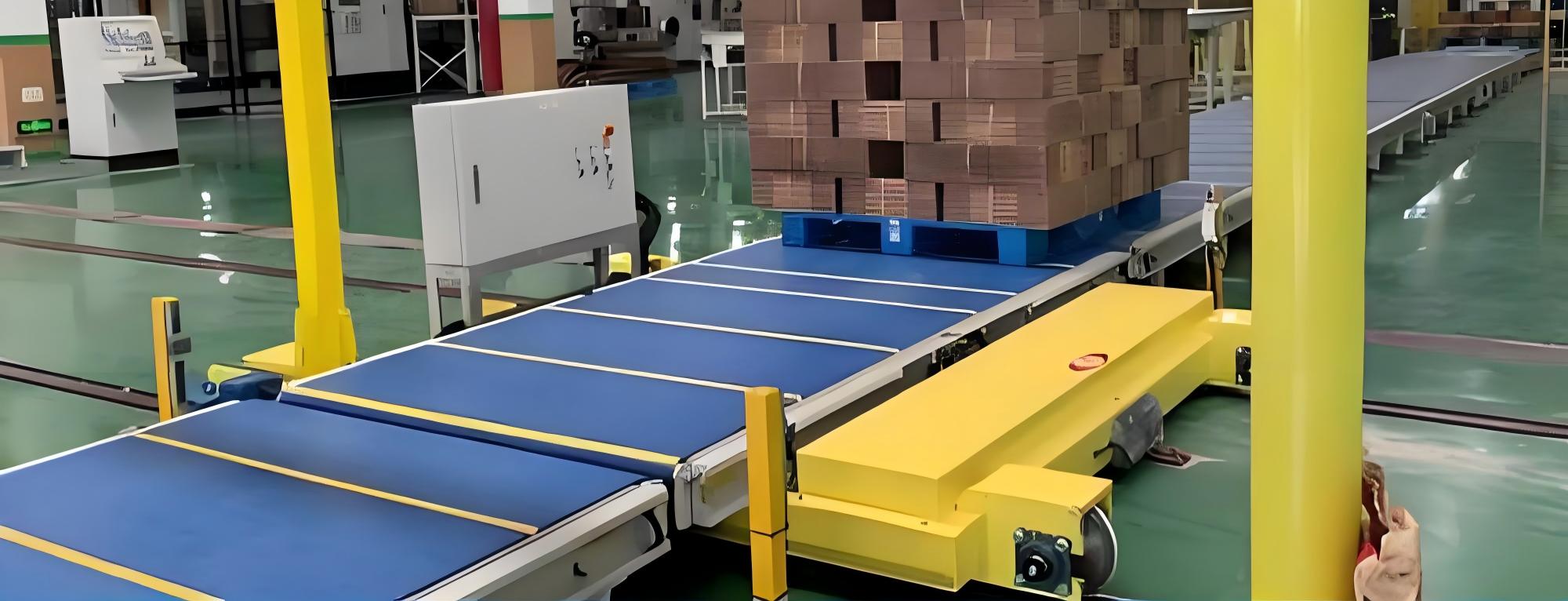
2. The Heavy-Duty Backbone: Corrugated Cardboard Handling
One of the most demanding applications for modular belts is in the Corrugated Cardboard industry.
The Spec: Utilizing a 25.4mm (1-inch) Pitch, these belts are engineered for extreme tensile strength.
The Load: These lines often require a load capacity exceeding 1 Ton per square meter.
Our Engineering: At Fill-Package, every belt undergoes rigorous Tensile Strength Testing based on standardized formulas to ensure your cardboard stacks move without slippage or belt elongation.

3. Specialized High-Capacity Load: Belts with Integrated Rollers
For the “Giants” of manufacturing, standard belts aren’t enough. Our High-Capacity Load Modular Belts with Integrated Rollers are designed specifically for:
Tire Manufacturing: Handling heavy, high-friction rubber with ease.
Large Appliances: Perfect for assembly lines of washing machines, refrigerators, and other bulky white goods.
The Roller Benefit: The integrated rollers reduce friction during accumulation, protecting both the product and the conveyor motor.
4. Engineering Support: Beyond the Catalog
Don’t guess your load requirements. Our technical team provides:
Tensile Strength Calculations: Based on your product weight and line length.
Material Integrity Assurance: We prioritize purity and compliance, ensuring your investment lasts.
Concerned about material purity or load limits? Send us your weight specs, and we’ll run the Tensile Strength Formula for you.
Retroenlace: viagra texas
Retroenlace: tadalafil pulmonary hypertension
Retroenlace: compare cialis prices
Retroenlace: sémaglutide comprimés de rybelsus
Retroenlace: semaglutid köpa flashback
Retroenlace: toradol for migraine symptoms
Retroenlace: toradol duration of action
Retroenlace: minoxidil 2% vs 5% detailed comparison
Retroenlace: minoxidil foam vs liquid full comparison
Retroenlace: minoxidil duration overview
Retroenlace: sildenafil NO‑cGMP mechanism
Retroenlace: avanafil pde5 inhibitor contraindications
Retroenlace: bronchitis medical insights
Retroenlace: pneumonia medical guide