

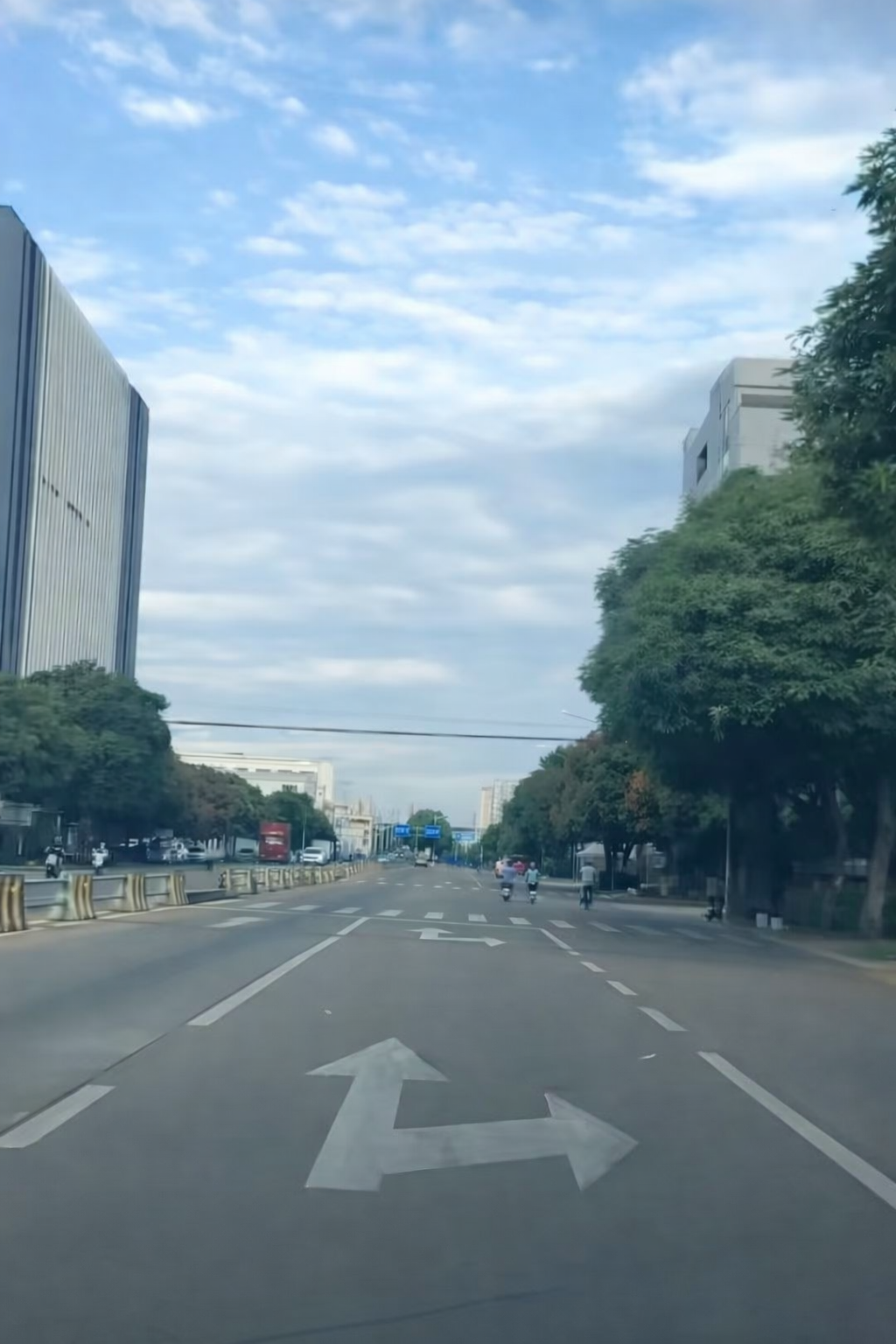
The eve of the Spring Festival is approaching, and Shunde, the city where I live, a place that usually operates at high speed, is finally, slowly, hitting the brakes. The most direct feeling comes from the daily commute. The industrial park, congested just a few days ago, is now sparse with traffic, the roads wide open. Those faces, both familiar and strange, are mostly on their way home, heading to hometowns thousands of miles away. The city is returning to its annual state of “tranquility.”
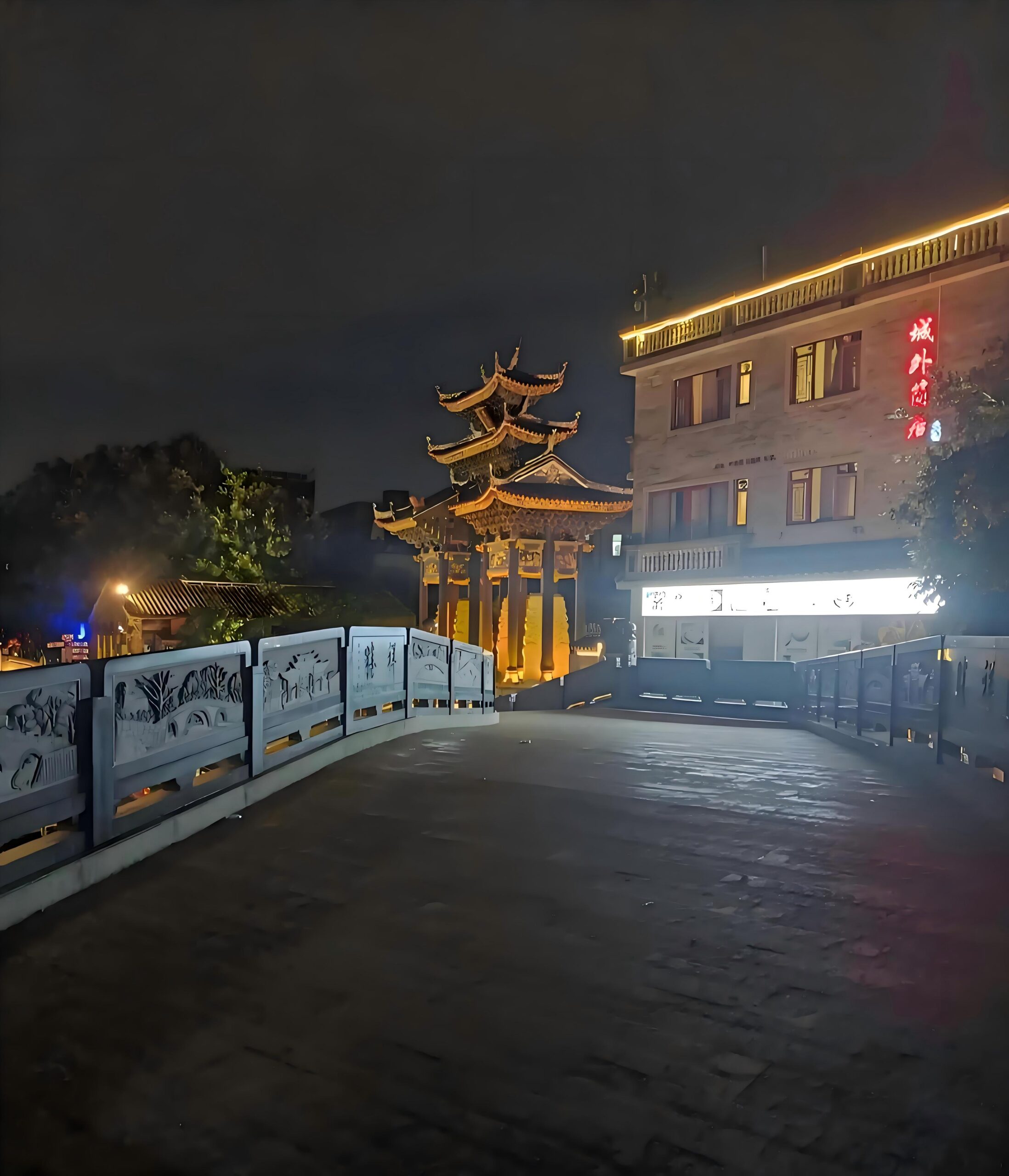
However, beneath this quiet, the rhythm of many people has yet to stop. The night before last, at nine o’clock, I received a call from my child’s uncle. He had just finished dinner with a client and had a bit too much to drink, asking me to give him a ride. I thought I was just taking him home, but he said he had to rush off to deliver New Year’s gifts to three more clients. The clock was already ticking towards ten, the night was deep, yet he was still on the road. “No choice,” he said, “time is too tight.”
As the owner of a company, he spends half of every month traveling across China to visit clients. From his weary tone, I could sense that this year’s market has not been easy. At that moment, I deeply understood the heavy burden of an entrepreneur and the head of a household. In the logic of Chinese-style relationships and business, year-end pleasantries are a necessary part of maintaining connections, even late at night, even when physically and mentally exhausted. Watching him, I could find no reason for my own idleness.
I feel fortunate to be a local, born and raised here, spared from the exhausting toil of the Spring Festival travel rush. While my social media feed turns into a national photography contest—from the snowy landscapes of the north to the coastal shores of the south—those with the money and leisure are exploring the great beauty of our country. As for me, the best “program” for the Spring Festival is perhaps to sit quietly at home, read a few books that have been on my shelf for too long, write some thoughts on life, and watch a few movies I’ve wanted to see but never had the time for. This might be the most peaceful and self-content way to celebrate for someone with limited energy and budget.
As the migrant workers leave and some locals travel, the city does indeed become “desolate.” But interestingly, as the sound of people fades, another sound grows louder—the sound of firecrackers. A unique “feature” of the New Year here is the incessant, round-the-clock barrage of fireworks. This morning at six, I was startled awake by a sudden burst of firecrackers and couldn’t fall back asleep. My alarm, set for seven, rang an hour later into my wakefulness.
On New Year’s Eve and New Year’s Day, this “symphony” will play all night long. The reason lies in the traditions held by the older generation: they believe the most “auspicious time” for worship and prayer is before dawn. So, at midnight, 4 a.m., or even earlier, people get up to burn incense and set off firecrackers, praying for good fortune in the year to come. This deafening blessing is, for those who crave a good night’s sleep, a sweet “burden.” I still remember when my son was under three, he would tremble under the covers during the New Year, mimicking my tone to comfort himself: “Don’t be afraid, be a man, it’s just firecrackers.” But his body would betray him, shaking honestly. Perhaps this, too, is a unique Spring Festival memory for a generation.
And so, amidst a coming wave of noise, I await my own share of tranquility. This is my Spring Festival, feeling the truth and warmth of life in the interweaving of the quiet and the loud.