

Heading 1: The Foundation of Precision: It’s Not Just the Weigher
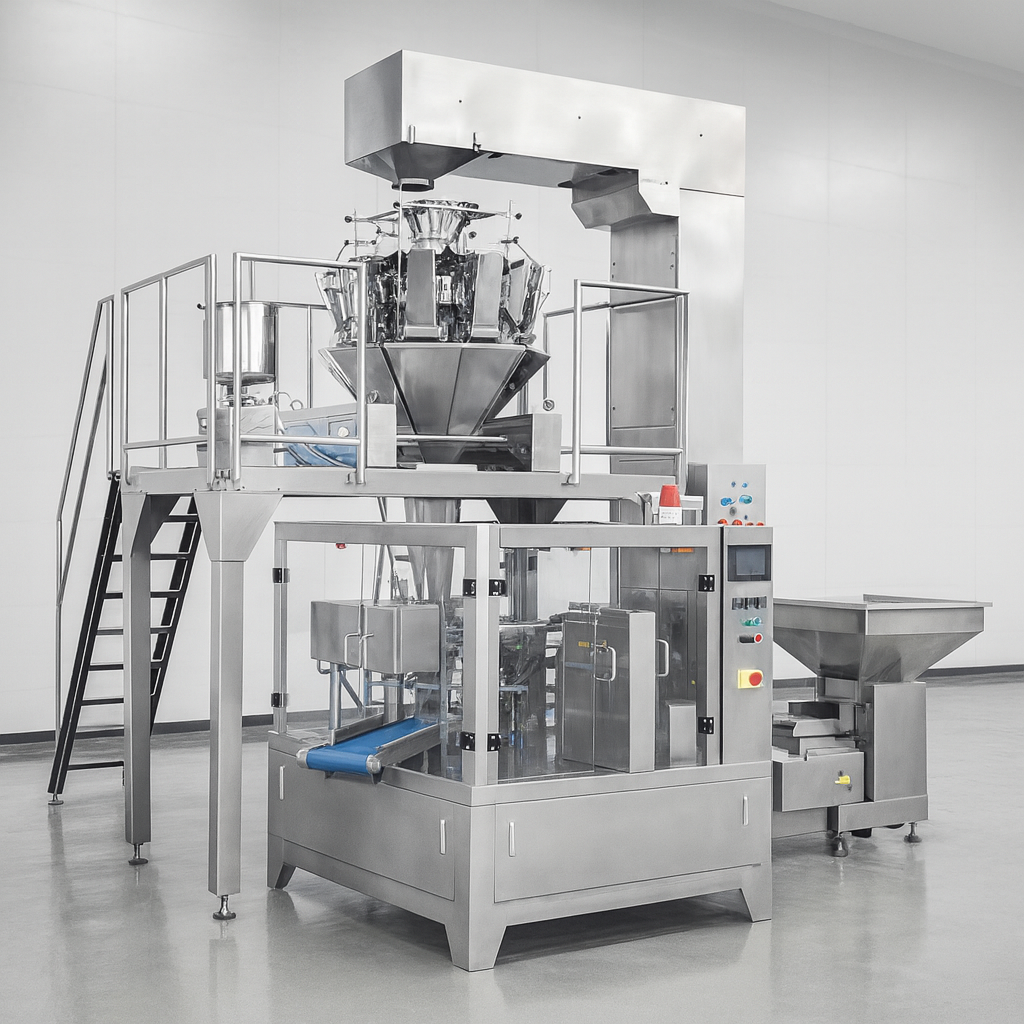
When a multihead weigher shows inconsistent data or excessive “product giveaway,” engineers often rush to calibrate the load cells. However, the root cause is frequently found beneath the machine, not inside it. Specifically, the working platform’s stability is the single most important factor in maintaining 0.01g precision. If the platform leveling feet are not designed for heavy-duty vibration dampening, your high-tech scale will be fighting mechanical “noise” all day.
Heading 2: How Mechanical Vibration “Interprets” Your Weights Multihead weighers, especially our 0.01g mini series, rely on ultra-sensitive HBM load cells. Specifically, these sensors measure minute changes in force.
The Ghost Weight Effect: If the supporting platform vibrates or wobbles, the sensor interprets this movement as mass. Consequently, the weigher might think there is 3.5g in a hopper when there is actually only 3.2g.
Resonance Issues: Low-quality machine feet can reach a resonance frequency that amplifies motor vibrations. Therefore, the entire integrated system begins to “hum,” making high-speed weighing nearly impossible.
Heading 3: Why Rigid, Level Support is Non-Negotiable A multihead weigher does not use feet, but the structure that holds it must be perfectly horizontal. By using Professional Leveling Mounts on your platform, you solve two critical engineering challenges:
Perfect Leveling: Even a 1° tilt in the platform can cause the product to distribute unevenly across the vibratory pans. As a result, some hoppers will be overfilled while others stay empty.
Dynamic Load Distribution: A 14-head weigher creates significant centripetal force during its discharge cycle. For this reason, the feet at the base of the platform must have a wide diameter and high-tensile threads (like M20) to prevent the structure from “walking” or shifting.
Heading 4: Selecting the Right Feet for Your Working Platform Not all industrial feet are equal. When engineering an integrated packaging line, we recommend focusing on these three specs for your platform:
Anti-Vibration Rubber Bases: Essential for isolating the floor from the machine’s high-frequency pulses.
High-Strength Stainless Steel (304/316): To prevent structural failure in washdown environments.
Swivel Bases (up to 15°): To ensure 100% surface contact even on imperfect factory floors. By doing so, you create a rock-solid base that allows your weigher to perform at its maximum rated speed.
Conclusión Precision packaging is a chain where every link matters. Even if the machine feet are at the very bottom, they are the first line of defense for your ROI. Consequently, investing in high-quality support is the most cost-effective way to protect your weighing accuracy.
Next Step: Is your platform stable enough for 0.01g precision? View our heavy-duty leveling solutions or contact our team for a site-specific recommendation.