

We have seen this scenario too many times: A brand-new packaging line features top-tier core equipment, yet it struggles during commissioning or suffers from chronic issues after launch. The culprit? Often, it’s not the expensive packaging machine, but an oversight in the belt conveyor system design.
These failures rarely stem from the quality of the steel or the motor. Instead, they arise from a lack of “System Thinking” during the initial planning phase.
As technical decision-makers responsible for packaging line efficiency, we must identify and avoid these costly traps at the engineering level. In this article, we dissect three of the most common design mistakes that act as hidden killers of productivity: Misjudging product dynamics, speed chain mismatches, and the trap of “fake integration.”
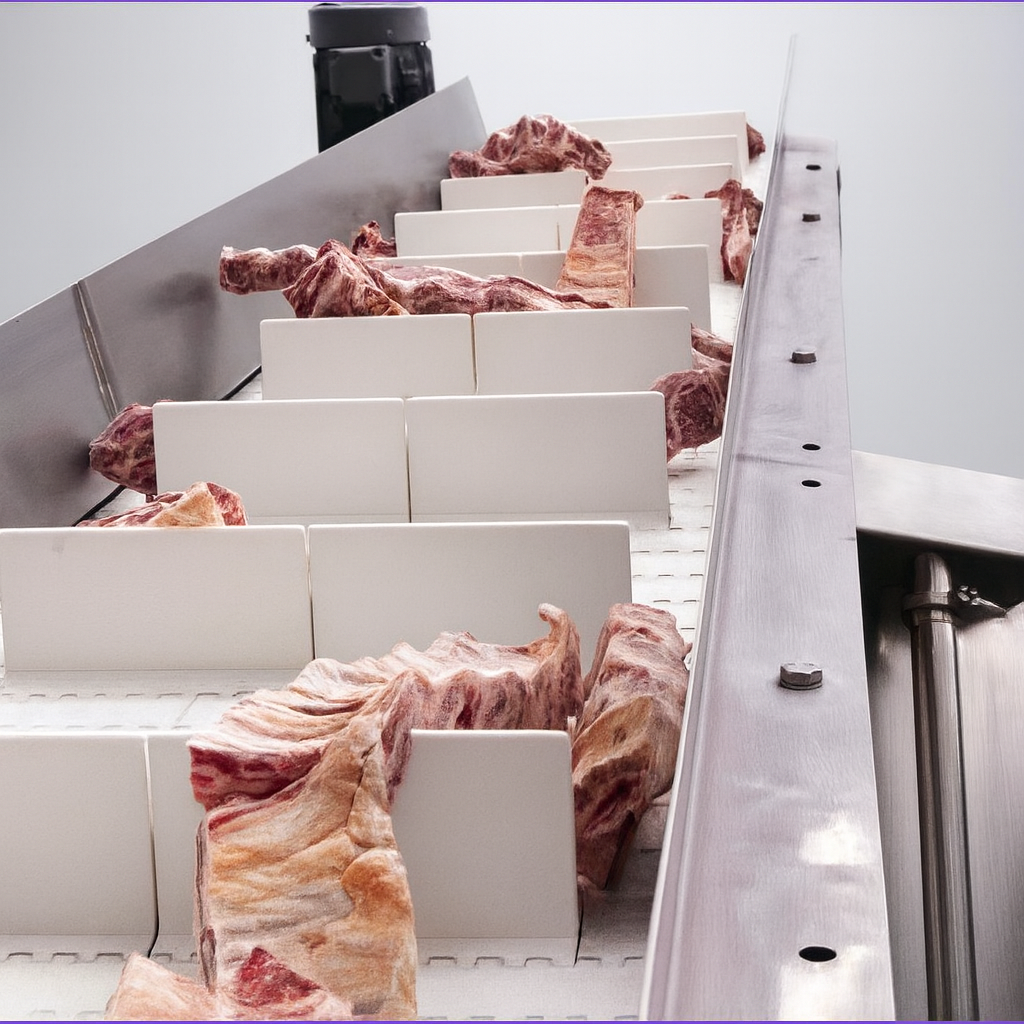
Mistake 1: Designing for “Static Dimensions” Instead of Product Dynamics
This is the most fundamental and fatal error. Diseñando un sistema transportador based solely on the product’s static length, width, and height—without simulating its behavior in motion—is a recipe for disaster.
The Typical Symptoms:
Instability on Curves: Bagged products flipping or bunching up at turns. This happens when the design relies on a 2D layout without calculating the center of gravity or the centrifugal force acting on bags of varying weights. A light, empty bag behaves very differently from a heavy, settled one.
Sliding on Inclines: Small items slipping backward on an incline transportador de banda. This occurs when the belt material’s friction coefficient isn’t calculated against the product packaging, especially under vibration or acceleration.
Breakage at Transfer Points: High breakage rates for fragile items at connection points. This usually results from ignoring drop heights or failing to design cushioned transition plates.
The Engineering Solution:
Dynamic Simulation: Before finalizing the conveyor system design, insist on dynamic testing using sample products to observe real-world behavior.
Physics Calculation: Perform basic mechanical calculations for critical sections (curves, inclines).
Design for the “Worst Case”: Always engineer the system to handle the lightest, heaviest, most slippery, and most fragile variants in your SKU list to ensure stability across the board.
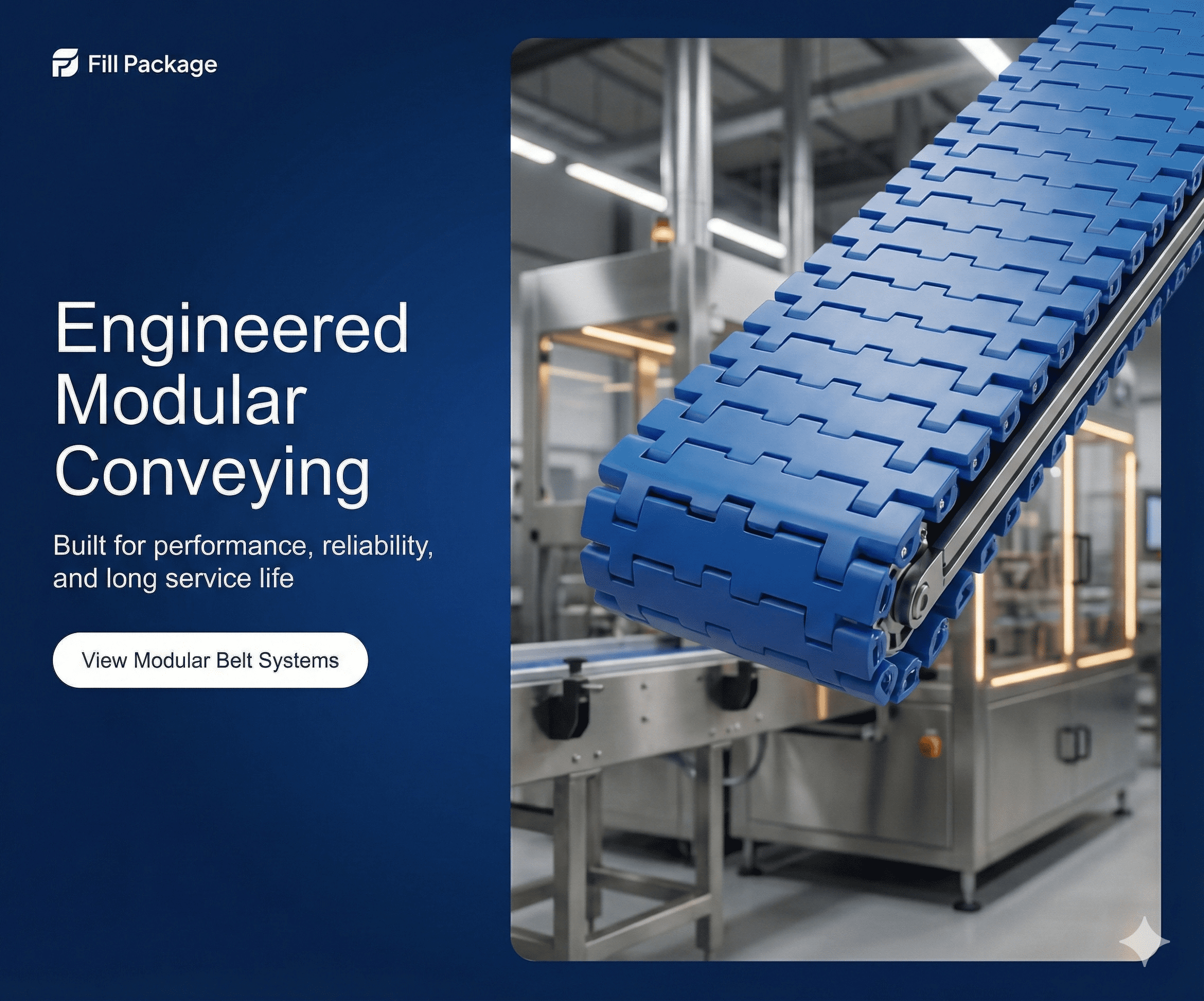
Mistake 2: Mismatching Conveyor Speed with the Packaging Cycle (The Hidden Bottleneck)
This mistake creates an invisible ceiling for your line’s Overall Equipment Effectiveness (OEE). It is a systemic issue that is notoriously difficult to fix with simple on-site adjustments.
The Typical Symptoms:
“Starvation” vs. “Blockage”: The upstream packaging machine releases a bag, but the conveyor is too slow, causing a pile-up (Blockage). Increasing the belt speed then creates gaps that are too wide, leaving downstream robots or case packers waiting (Starvation). The line runs in a “stop-and-go” jerky rhythm.
Failure to Reach Capacity: Theoretically, your VFFS machine runs at 120 bpm, but the conveyor system for packaging can effectively only clear 90 bpm, slashing your ROI.
Irregular Spacing: Speed mismatches ruin product pitch, causing failures in downstream check weighers, vision systems, or robotic pick-and-place units.
The Engineering Solution:
Build a “Speed Chain” Model: Treat the entire line as a single entity. Calculate the min/max speed required for every belt conveyor section by working backward from the final process (e.g., palletizing). Always build in a buffer capacity of 10-20%.
Independent Servo Control: Move away from simple “one motor drives all” setups. Use independent servo drives for key sections, synchronized via PLC. For example, the conveyor advances a precise distance for every product cycle.
Smart Buffering: Design physical accumulation zones (buffer loops or smart belts) between asynchronous processes to smooth out flow fluctuations.
Mistake 3: “Physical Connection” vs. True “System Integration”
This distinguishes a pile of hardware from a true automated packaging solution. Many designs ensure the machines physically touch, but fail to ensure they “talk” to each other intelligently.
The Typical Symptoms:
- Information Silos: The conveyor runs blindly. It doesn’t know what product is coming or when. Downstream sorters rely on simple photo-eyes, lacking the data needed for flexible changeovers.
- Fault Propagation: If a downstream metal detector stops, the upstream transportador de banda keeps feeding, causing a massive crush of products and potential damage.
- Complex Changeovers: Switching SKUs requires manual mechanical adjustments of guide rails and sensor positions, wasting hours and increasing the risk of human error.
The Engineering Solution:
Bus-Based Control: Ensure your belt conveyor system shares a unified industrial communication protocol (like PROFINET or EtherCAT) with the main packaging machines. Pass data (Product ID, Status) along with the physical product.
Full-Line Interlock Logic: Implement rigorous “handshake” logic in the PLC. A downstream fault should trigger an “upstream pause” or “controlled deceleration,” ensuring a graceful stop rather than a crash.
Recipe Management: Integrate conveyor parameters (speed, diverter timing) into the central HMI’s recipe system. One click changes the machine settings y the conveyor behavior simultaneously.
From “Hardware Buyer” to “System Planner”
Avoiding these mistakes requires a shift in mindset: from simply “buying a belt conveyor” to “designing a material flow system.” This demands deep electromechanical integration capabilities and a profound understanding of packaging processes.
Our value at Fill Package lies in helping you mitigate these risks at the drawing board stage.
Our engineering team provides full-process services—from conceptual conveyor layout planning and 3D dynamic simulation to deep control system integration. We don’t just deliver a standalone machine; we deliver a smart logistics network that dialogues seamlessly with your VFFS machines, Multihead Weighers, and robots.
[Ready to optimize your line? Book a Consultation for our Line Simulation & Diagnosis Service] Let us lay a solid, efficient foundation for your next project using our professional experience.