
In the world of automated packaging, speed and accuracy are paramount. For decades, vibration feeding has been the go-to method for moving products into multihead weighers. It’s fast, simple, and works perfectly—for dry, free-flowing products, fresh meat. But what happens when your product is marinated chicken, gummy candies, fresh-cut vegetables, or shredded cheese? Suddenly, that reliable vibration feeder becomes your biggest bottleneck.
If you’re struggling with inaccurate weights, constant cleaning, and frustrating downtime when packaging non-free-flowing goods, you’re not alone. The problem isn’t your weigher’s accuracy; it’s the feeding method. This article explains why vibration feeding fails with sticky products and when a different approach is necessary.
What Happens When Products Are Sticky or Oily?
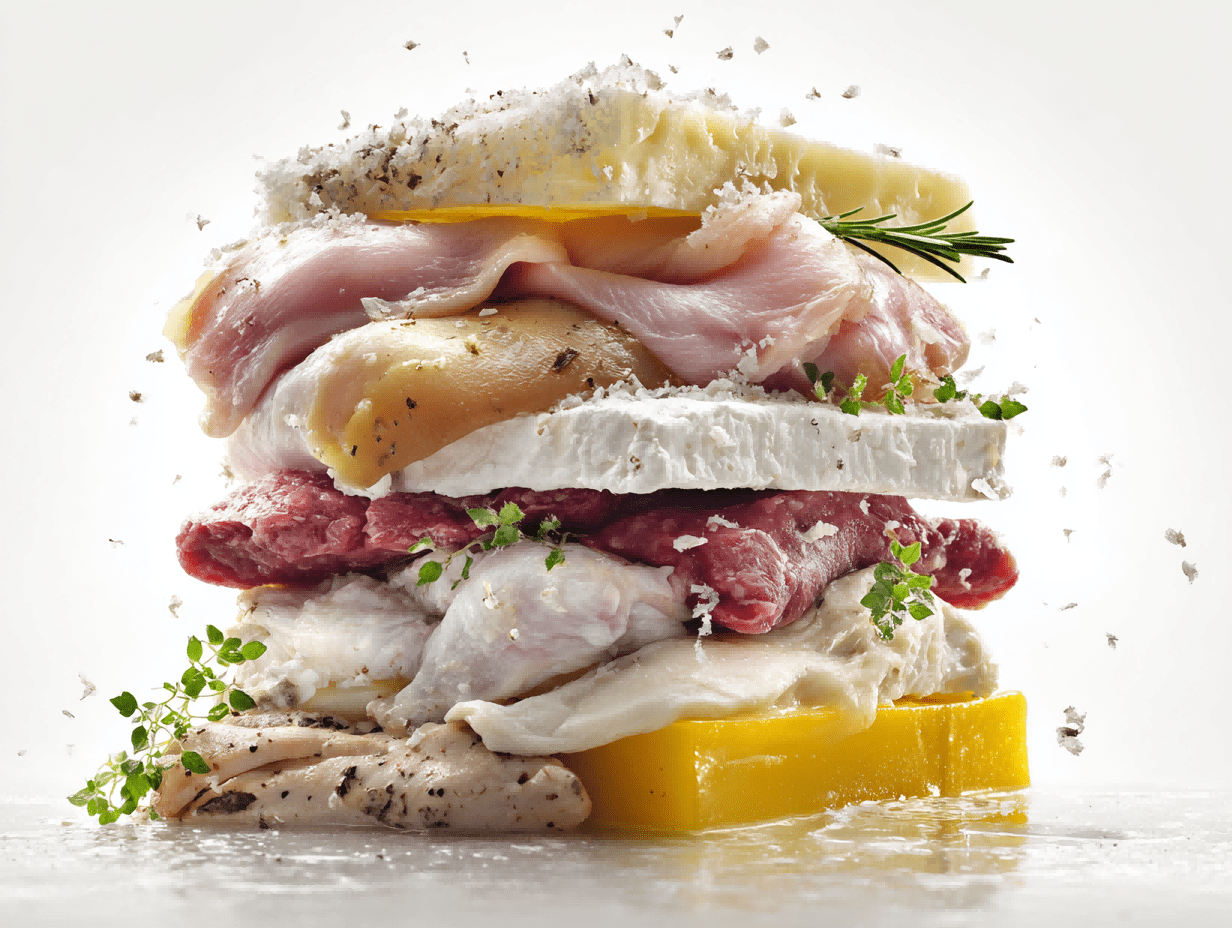
Sticky, oily, or moist products behave very differently from dry goods like nuts or grains. Their surfaces have high adhesion and cohesion properties.
- Adhesion causes them to stick to surfaces like the vibration pan, feed buckets, and hopper gates.
- Cohesion causes them to clump together, forming irregular masses instead of a uniform stream.
These properties are the natural enemy of any system that relies on gravity and vibration to move products smoothly. The product simply doesn’t want to flow, and forcing it with more vibration often makes the problem worse.
Common Problems Caused by Vibration Feeding
When you try to weigh sticky products with a standard vibration-fed multihead weigher, you will inevitably encounter a series of costly problems:
- Inconsistent Product Flow: Instead of a steady stream, the product moves in unpredictable clumps. One moment, nothing moves; the next, a large chunk falls into the weigh bucket. This makes it impossible for the weigher to achieve an accurate target weight.
- Product Sticking and Buildup: Sticky residue quickly accumulates on the vibration pans and hoppers. This buildup not only creates a hygiene issue requiring frequent cleaning but also further obstructs product flow, leading to even more inaccurate weighing.
- Inaccurate Weighing and Product Giveaway: Because the weigher cannot get a consistent product feed, it struggles to combine the buckets to hit the target weight. This leads to a high rate of over- and under-weight packages. To avoid under-weights, operators often have to increase the target weight, resulting in significant product giveaway and lost profits.
- Frequent Downtime for Cleaning: To manage the residue and maintain hygiene standards, the line must be stopped constantly for cleaning. Every minute of downtime is a minute of lost production, directly impacting your overall equipment effectiveness (OEE).
Why Feeding Method Matters More Than Speed
Many operators believe that increasing the vibration speed or amplitude will solve the feeding problem. In reality, it often exacerbates it. More aggressive vibration can cause oily or marinated products to release more moisture, making them even stickier. It can also damage delicate products.
The fundamental issue is a mismatch between the product’s characteristics and the feeding physics. Vibration relies on the product being willing to move with gravity and inertia. Sticky products defy these forces.
Therefore, the solution isn’t more speed; it’s more control. You need a system that actively and positively moves the product forward, regardless of its tendency to stick or clump. This is where a different feeding technology becomes essential.
When Screw Feeding Becomes the Better Choice
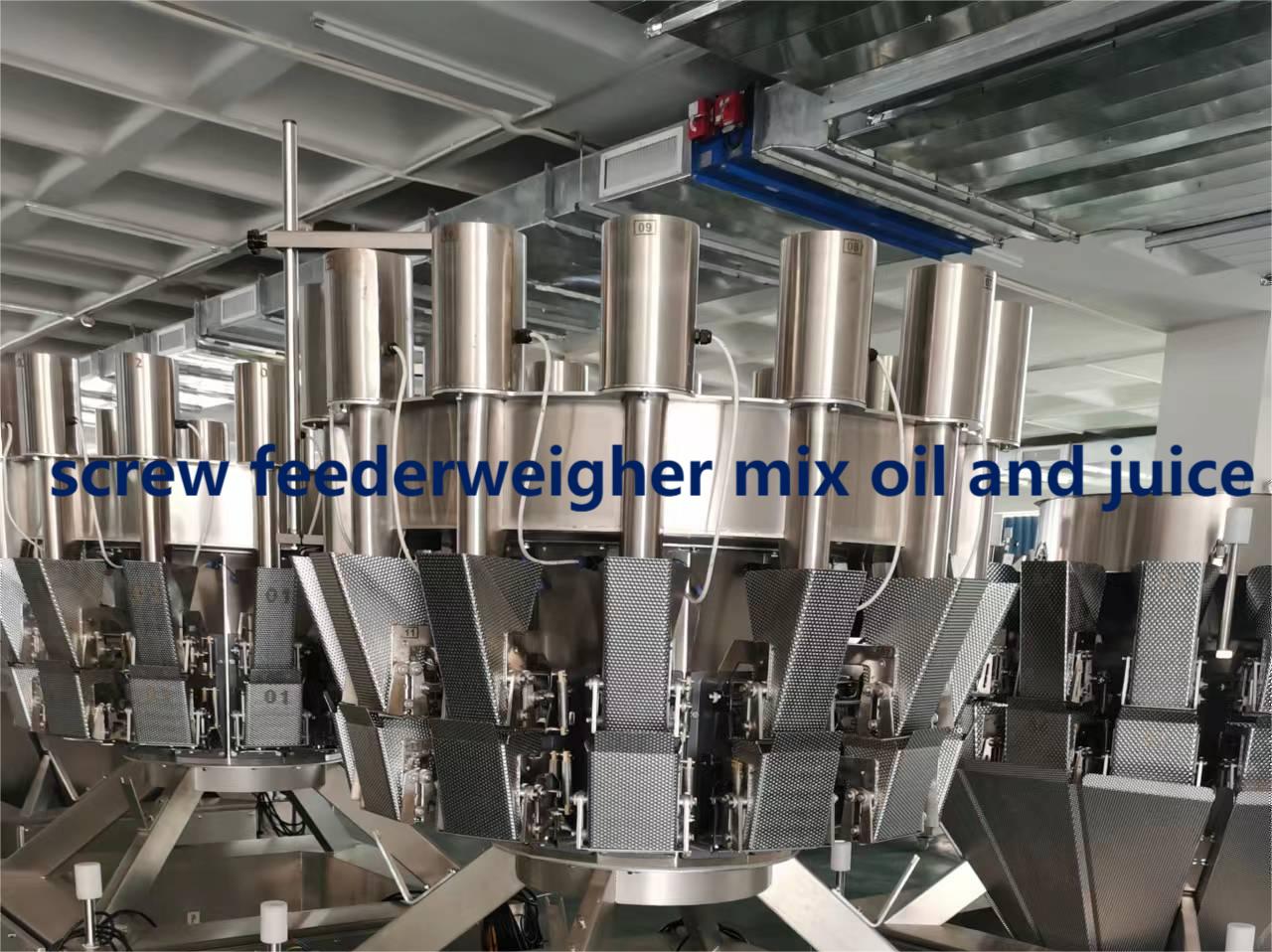
For these challenging applications, the vidalı besleyici çok başlı tartım cihazı is the definitive solution. Instead of relying on vibration, this machine uses precisely controlled auger screws to actively push the product forward into the weigh hoppers.
A combination weigher with screw feeding directly solves all the problems associated with vibration:
- Positive and Controlled Flow: The rotating screws ensure a consistent, measured, and gentle flow of product, regardless of how sticky or oily it is. This allows the yapışkan ürünler için çok başlı tartım cihazı to receive a predictable stream of material, which is the first and most critical step to accurate weighing.
- Reduced Sticking and Buildup: Because the product is actively moved by the screw, there is less opportunity for it to sit and adhere to surfaces. The design of the vidalı besleme kombinasyonlu tartım makinesi minimizes contact points and facilitates a much cleaner operation.
- Dramatically Improved Accuracy: With a consistent product feed, the weigher’s algorithm can do its job properly. The result is a drastic reduction in overweight and underweight packages, minimizing product giveaway and ensuring compliance.
- Increased Uptime: Less residue and buildup mean fewer stops for cleaning. An automatic screw weigher for packaging lines can run for longer, maximizing throughput and profitability.
Is It Time to Make the Switch?
If you are packaging products like marinated meats, poultry, seafood, cooked pasta, sticky confectionery, or fresh produce, and you are constantly battling with inaccurate weights and downtime, it is time to stop blaming the weigher and start looking at the feeding method.
👉 Your process doesn’t need more vibration; it needs the controlled, positive-displacement power of a Vida Besleyici Çok Kafalı Tartıcı. Discover how the right feeding technology can transform your packaging line’s efficiency and profitability.