

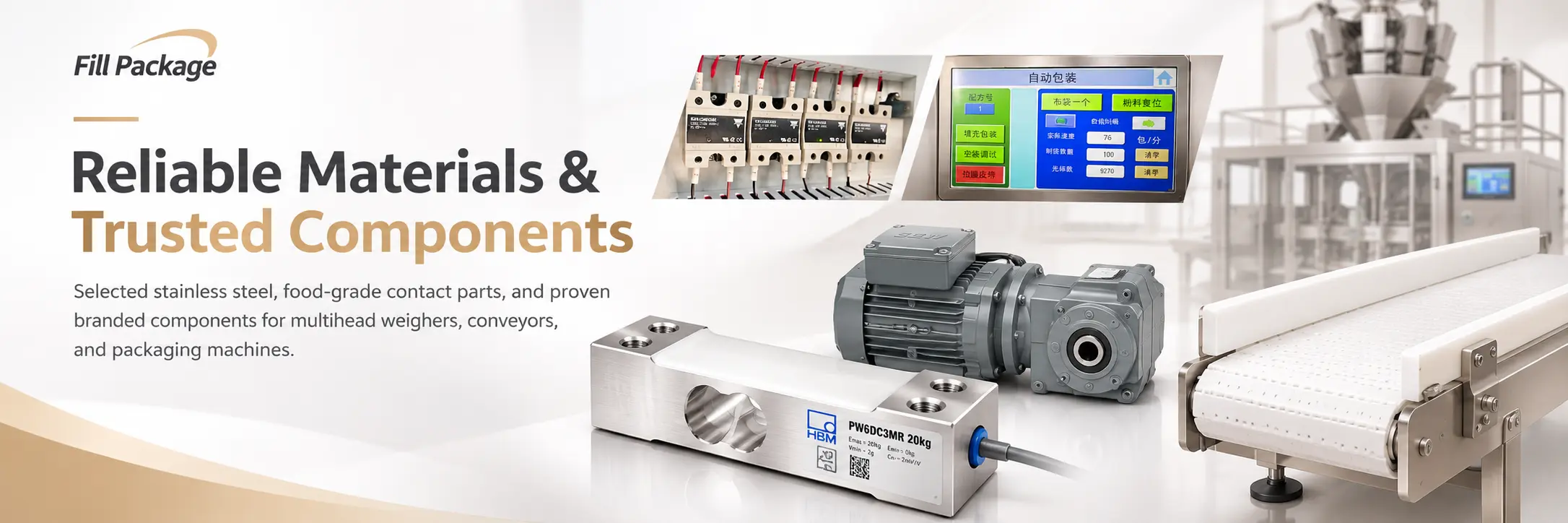
Высококачественные гигиеничные материалы для упаковочного оборудования | Fill Package
Materials & Component Quality Assurance for Food Packaging Machines
A packaging line is only as dependable as the materials and components inside it. Fill&Package builds multihead weighers, conveyors and vertical form-fill-seal (VFFS) packaging machines for food and snack producers. We choose every material and component for a specific job: the product, the cleaning routine, the load, the accuracy required and the maintenance your team can realistically carry out.
This page shows what our machines are made of, which component brands appear in them (including HBM and Minebea Intec load cells and SEW-EURODRIVE gear motors), and how we qualify suppliers and inspect parts before they reach your machine.
1. How We Select Materials & Components
We do not choose a part because it carries a famous name or a high price. We choose it because it fits the application. Six factors guide every selection:
- Product characteristics:dry or sticky, fragile or abrasive, oily or powdery, hot or cold.
- Working environment:washdown, humidity, dust, temperature and cleaning chemicals.
- Machine load and duty cycle:continuous multi-shift running places different demands on a motor, belt or relay than occasional use.
- Accuracy requirements:weighing stability and bag-length control depend on specific sensors, drives and mechanical structures.
- Бюджет:we explain the options at each level, so you can see what a higher-grade component actually changes.
- Maintenance and spare parts:we favour components that are easy to inspect, clean, replace and source again later.
Standard and high-end configurations
For several key parts we can quote more than one level. The table shows typical examples; the final choice depends on your project.
| Часть | Standard configuration | Higher-end option |
| Conveyor gear motor | Cost-effective gear motor brands (for example VTV) for light-duty conveyors | SEW-EURODRIVE for long, continuous running |
| Inverter and control | Schneider, Eaton | Siemens, CUH vibratory feeder control |
| Plastic modular belt | Quality commodity-grade belts | HONG’S BELT range |
| PU / PVC belt | Standard food-grade belt | YONGLI belt |
| Wear strip | Standard PE | UHMW-PE |
2. Machine Structural Materials & Food-Contact Components
Material choice affects hygiene, service life and cleaning effort. These are the materials we use and where they fit.
| Материал | Typical use | Why we use it | Selection note |
| нержавеющая сталь SUS304 | Machine frames, chassis, hoppers and buckets, enclosures, product-contact surfaces | Good corrosion resistance, easy to clean, suited to most food environments | Our standard material for structural and product-contact parts |
| SUS316L stainless steel (optional) | Parts exposed to salt, acidic products or aggressive washdown | Molybdenum content gives higher corrosion resistance than 304 | Recommended for more corrosive products or cleaning chemicals; confirmed at quotation |
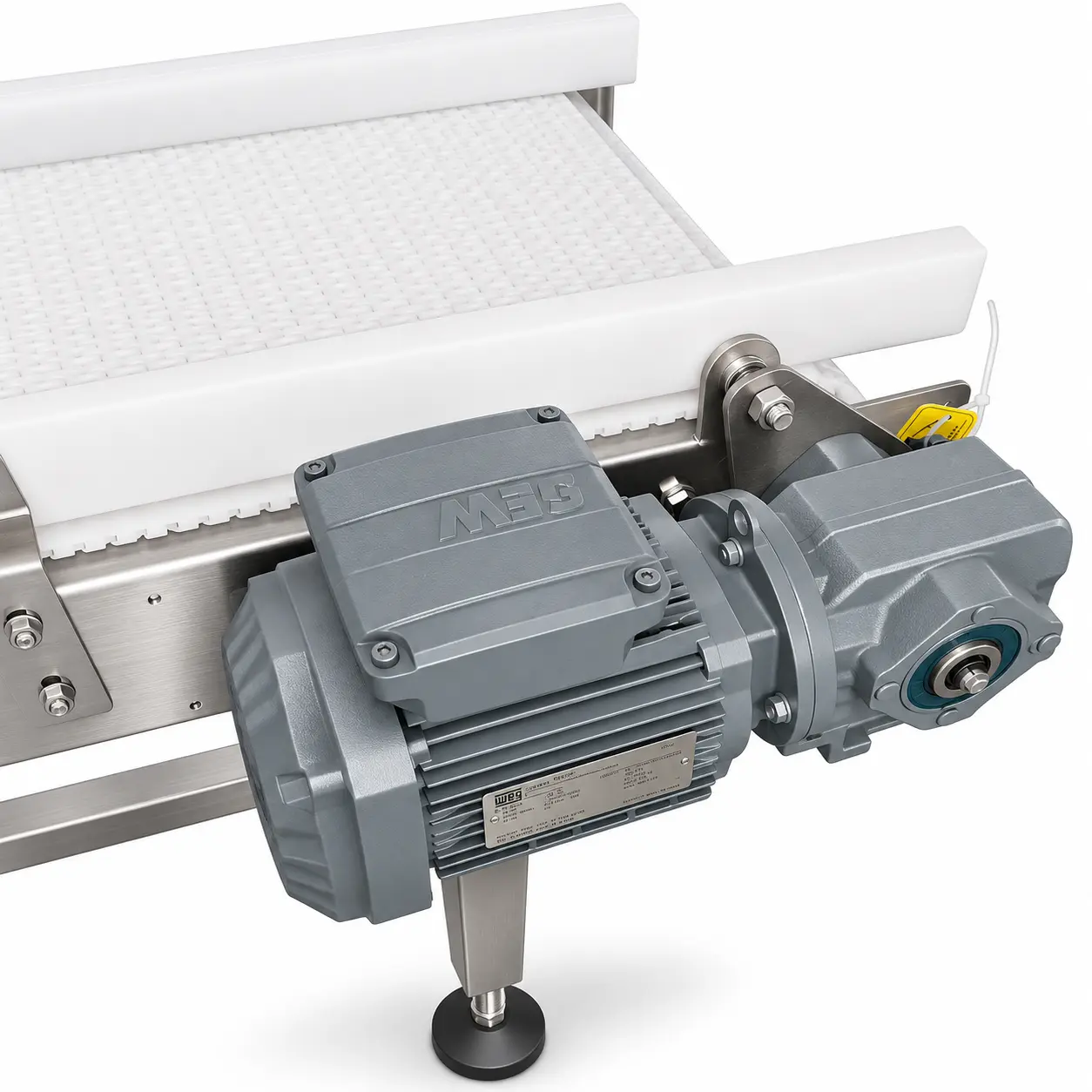
| ПОМ (ацеталь) | Sprockets, gears, guides, modular belt links | Low friction, dimensional stability, good wear resistance | Our usual choice for modular belts where wear matters |
| PP (polypropylene) | Guides, covers, modular belt components | Lightweight, chemical-resistant, easy to clean | Suited to hygienic, lower-load applications |
| PU belting | Flat conveyor belts | Easy to clean, practical for products such as meat | Matched to the product’s fat content and cleaning method |
| PVC belting | Flat conveyor belts | Cost-effective, common in workshop and logistics use | Chosen for general handling where cleaning demands are lighter |
| UHMW-PE | Wear strips, belt guides | Very low friction, high abrasion and impact resistance | Protects belts and frames from wear and reduces noise |
| АБС | Non-contact housings and covers | Light and easy to shape | Used only where food contact is not involved |
Our stainless steel policy
We use SUS304 for machine frames, chassis, buckets and levelling feet. We do not use SUS201 for structural parts, and we do not use galvanised carbon steel for levelling feet, because it can rust in wet environments. Incoming stainless steel is checked for composition and corrosion resistance (see section 8).
How we choose between options
- 304 or 316L?If your product is salty or acidic, or your sanitation routine uses strong chemicals, we discuss 316L for the affected parts. Otherwise 304 is usually the practical choice.
- PU or PVC belt?We look at the product, the cleaning method and the working environment. PU suits easy-clean food applications; PVC suits general handling.
- Flat belt or modular belt?Flat belts suit simple, smooth transfer. Modular plastic belts suit washdown, disinfection and applications where a damaged section should be replaced without changing the whole belt.
Food-contact compliance: Requirements differ by market and application. We confirm compliance for the specific material and grade used in your machine and can provide the relevant material documentation on request.
3. Selected Component Brands Used in Our Packaging Equipment
Branded components matter most where reliability, precision and spare-part availability affect your daily output. The brands below are examples of components used in Fill&Package machines.
This is not a list of what every machine contains. Component brands and models may vary depending on machine configuration, availability and specific project requirements. Final specifications are confirmed before production.
We purchase and use these brands as component customers. We do not claim an official partnership or authorization with any of them. All trademarks belong to their respective owners.
| Machine | Компонент | Brand examples | Why it matters |
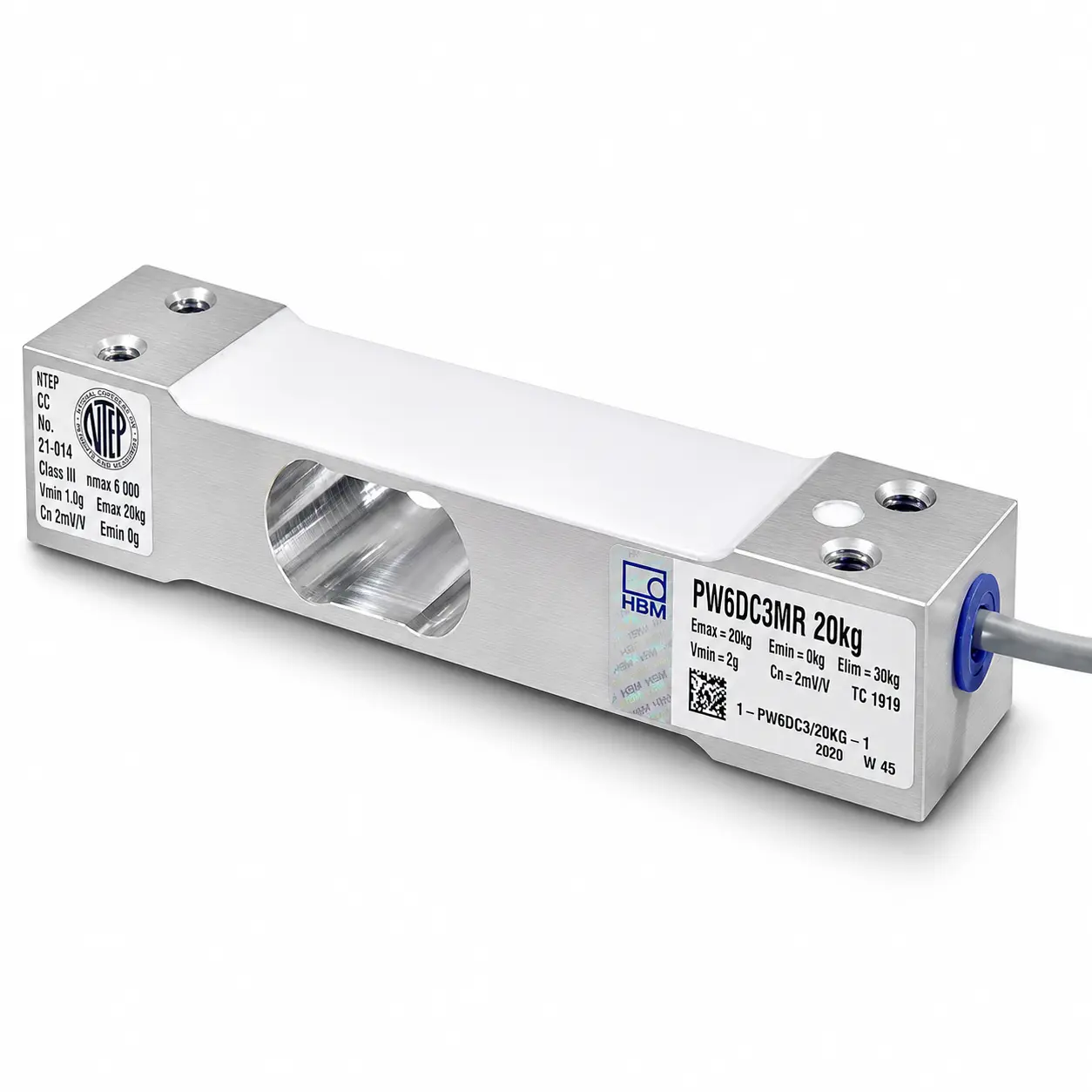
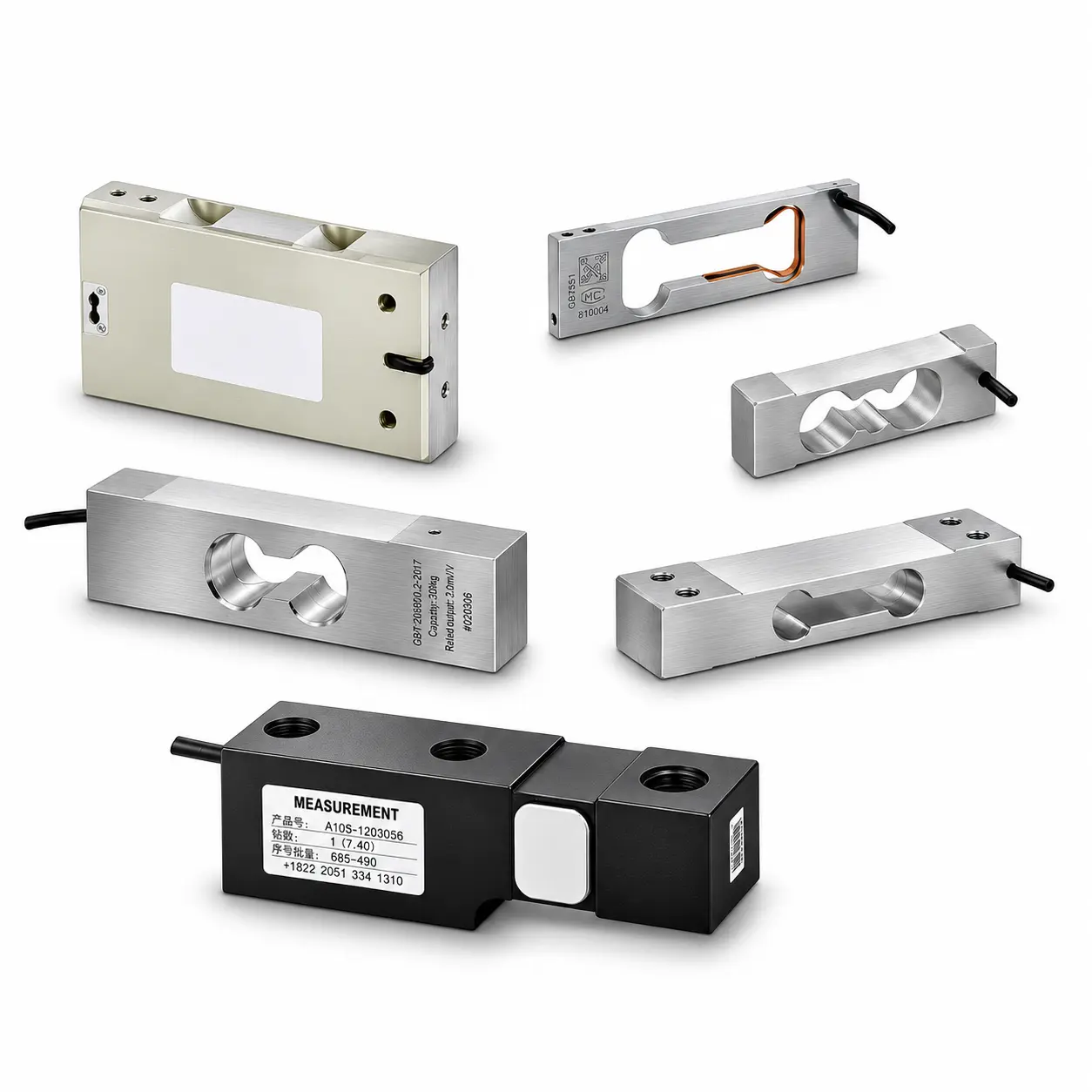
| Мультиголовочный весовой дозатор | Тензодатчики | HBM, Minebea Intec | Weighing stability and repeatability |
| Мультиголовочный весовой дозатор | Control electronics | ST, NXP, KIOXIA, Toshiba, Texas Instruments, Tianma | Stable control, data storage and operator display |
| Конвейер | Gear motors | SEW-EURODRIVE | Reliable continuous running |
| Конвейер | Modular belt, PU/PVC belt | HONG’S BELT, YONGLI | Hygienic, durable belting |
| Конвейер | Inverters and controls | Siemens, Schneider, Eaton, CUH | Speed control and feeder control |
| Машина VFFS | PLC | Mitsubishi [CONFIRM model] | Machine logic and sequence control |
| Машина VFFS | Сенсорный экран HMI | Weinview (Weintek) | Multi-language operation and fault diagnosis |
| Машина VFFS | Solid state relays | Carlo Gavazzi | Independent control of sealing temperatures |
| Машина VFFS | Servo drives | Сименс | Precise film pulling |

4. Components Used in Multihead Weighers
A multihead weigher splits a product into portions and combines the weights from several heads to reach the target weight. Its accuracy depends on how well the load cells, electronics and mechanical parts work together.
Load cells: HBM and Minebea Intec
The load cell is the heart of the weigher. It measures the weight of each portion and passes the signal to the controller. Our weighers use load cells from HBM и Minebea Intec, two established names in precision weighing technology. If weighing stability is a priority for your product, tell us and we will confirm the load cell type and capacity for your machine.
Control electronics
The control boards use components from established electronics manufacturers:
| Функция | Brand examples | What it does |
| Main board processor | ST, NXP | Industrial control and calculation |
| Memory | KIOXIA (alternative: PMTECH) | Storage of parameters and program data |
| Motor drive | Toshiba | Motor control and driving |
| Core ICs on driver board | Texas Instruments, 3PEAK | Control and signal processing |
| Optocouplers | Toshiba, Isocom, Everlight | Signal isolation in control circuits |
| Display | Tianma (alternative: Chuanping) | Operator interface |
Stainless-steel structure
The frame, chassis and product-contact buckets are made from SUS304 stainless steel for hygiene and ease of cleaning. [CONFIRM if you wish to name the stainless steel mill, for example POSCO, which appears in your supply documents.]
What this means for you: stable weighing, dependable operation and parts that are straightforward to maintain.
Explore our многоголовочные весы
5. Components Used in Conveyor Systems
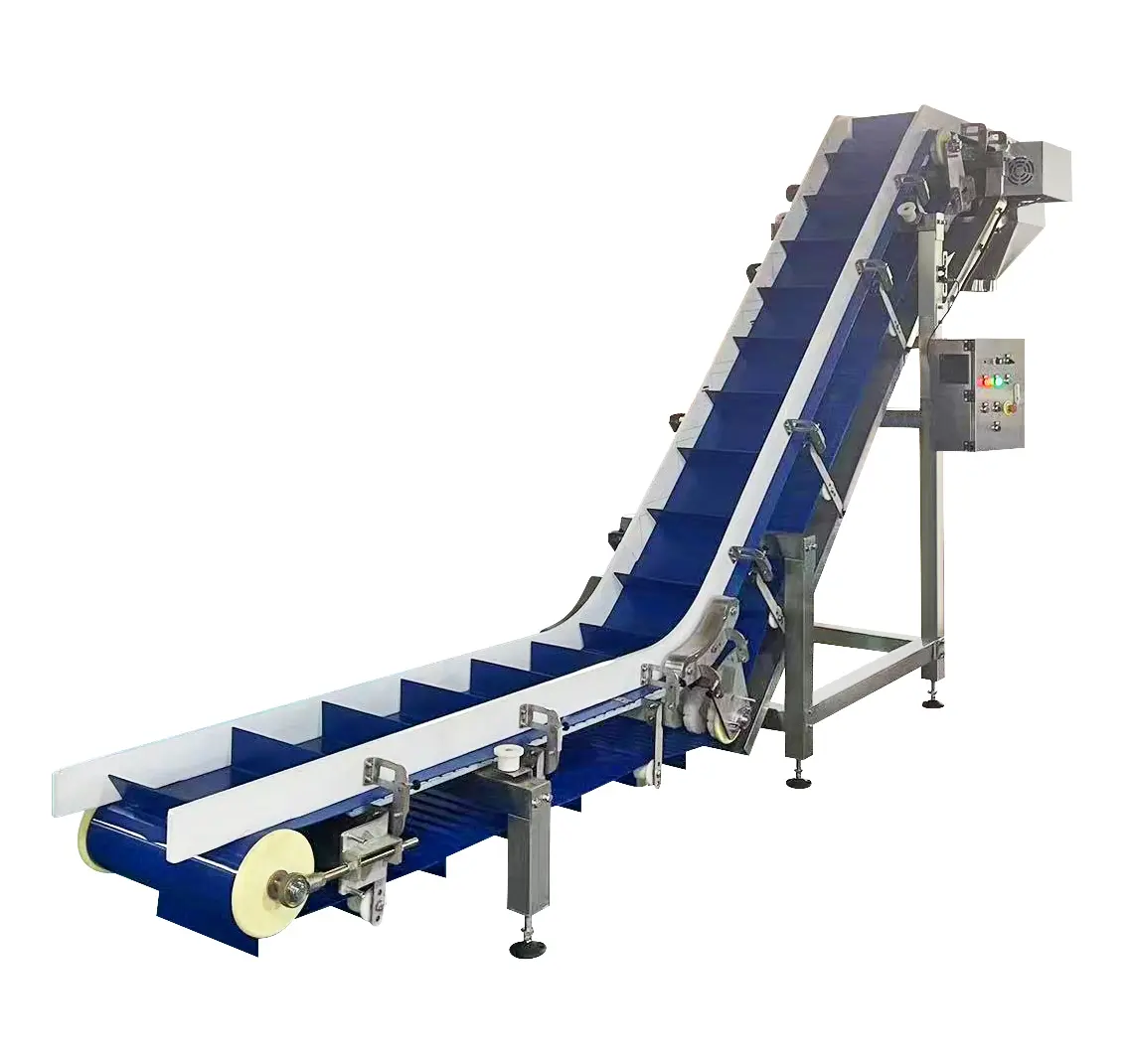
Conveyors run for long hours, so reliability, cleanability and easy part replacement matter more than appearance.
Drive and control
- Gear motor:SEW-EURODRIVE gear motors, selected for load, belt type and duty cycle. For price-sensitive projects with light conveyors, we can quote other gear motor brands.
- Inverter:Siemens or Schneider variable-frequency inverters for speed control, depending on configuration.
- Vibratory feeder control:CUH controllers (higher-end) or Eaton (standard), with a photoelectric sensor that can stop feeding automatically when the material is full or empty.
Belts: flat and modular
- PU / PVC beltsgive a smooth, easy-to-clean surface. PU suits easy-clean food applications such as meat; PVC suits general workshop and logistics use.
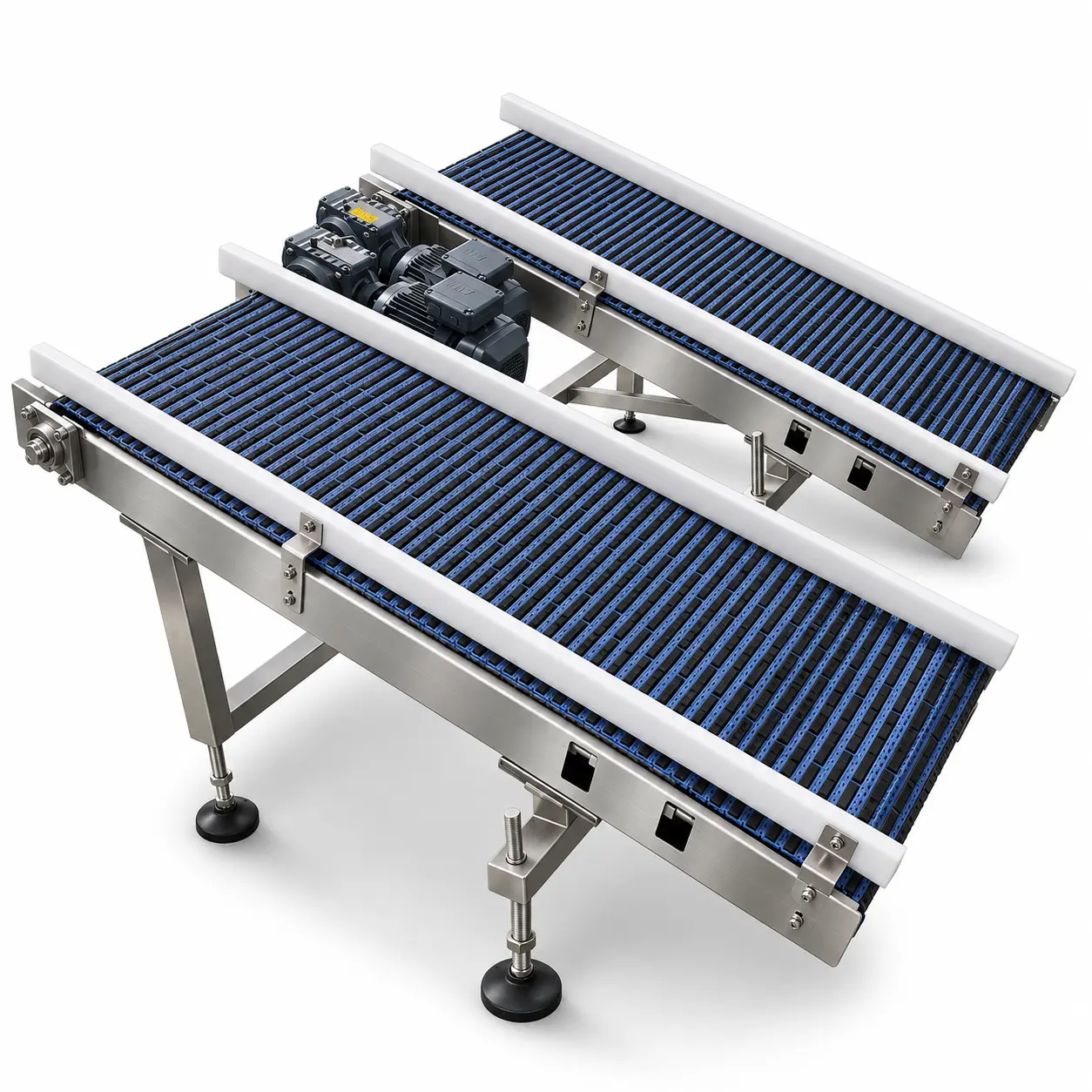
- Plastic modular belts(POM or PP, mostly POM for wear resistance) are built from interlocking sections. They suit cleaning and disinfection, and individual sections can be replaced.
We select the belt for the product and the customer’s requirements. Standard modular belts suit price-sensitive applications and light, low-friction products. For heavier products or special conveying needs, we can offer HONG’S BELT, which has a wider range of belt types, or YONGLI belting for PU/PVC applications. Please ask for the certificates of the specific belt you choose.
Wear strips, sprockets and feet
- UHMW-PE wear stripshave a very high molecular weight, which gives lower friction and better abrasion and impact resistance than standard PE strips. They cost more at the start and are chosen where wear matters.
- Sprockets:standard modular sprockets suit light-duty conveyors; machined sprockets give tighter tolerances for demanding duty.
- Levelling feet:SUS304 stainless steel, not carbon steel.
What this means for you: steady product transfer, simpler cleaning, and wear parts that can be replaced quickly.
See our conveyor systems.
6. Components Used in VFFS Packaging Machines
A VFFS machine forms a bag from film, fills it and seals it in one continuous cycle. Film feeding, bag length and seal quality depend on a handful of key components and mechanisms. Our VFFS machines are also built to handle delicate films, including water-soluble film.
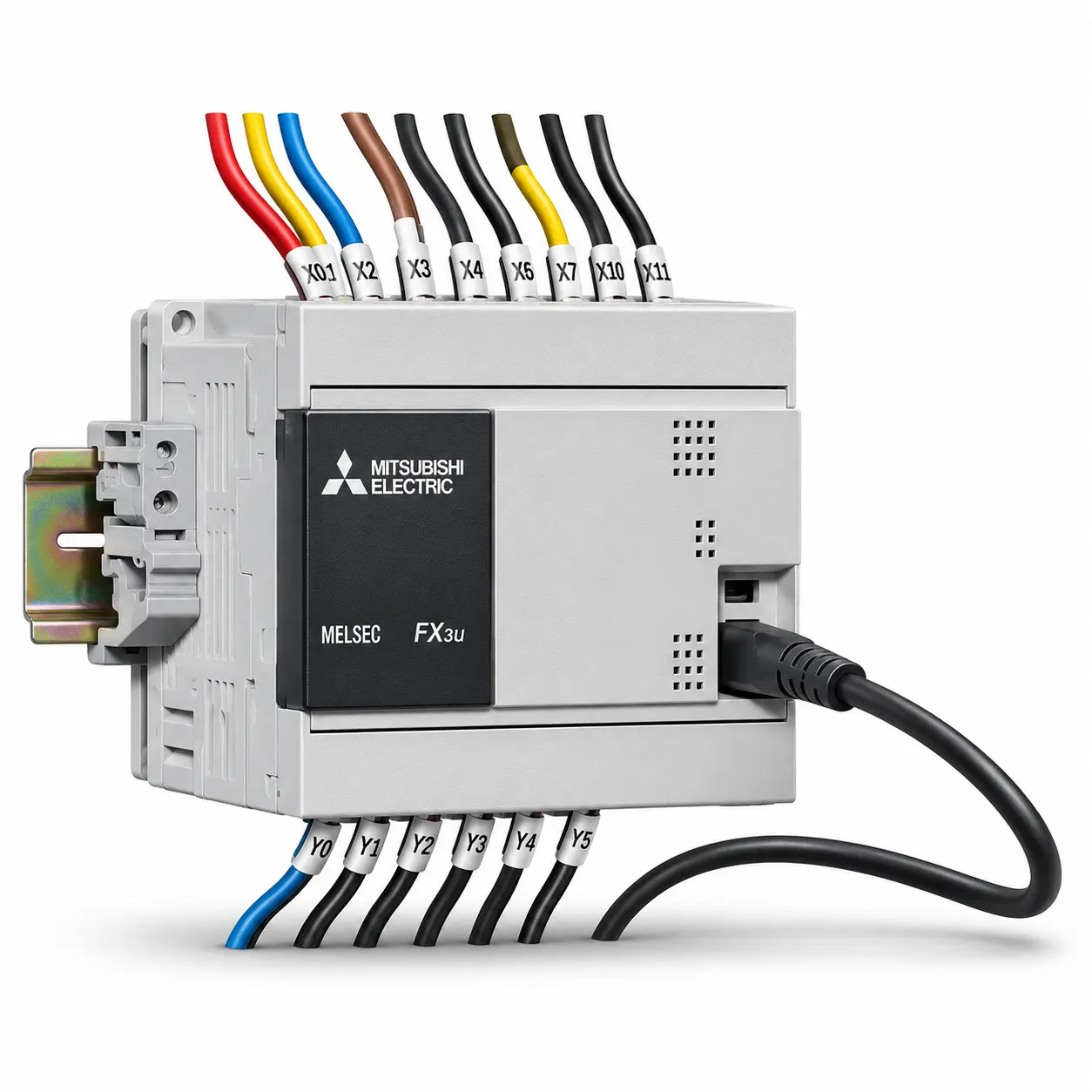
Control system: Mitsubishi PLC and Weinview touchscreen
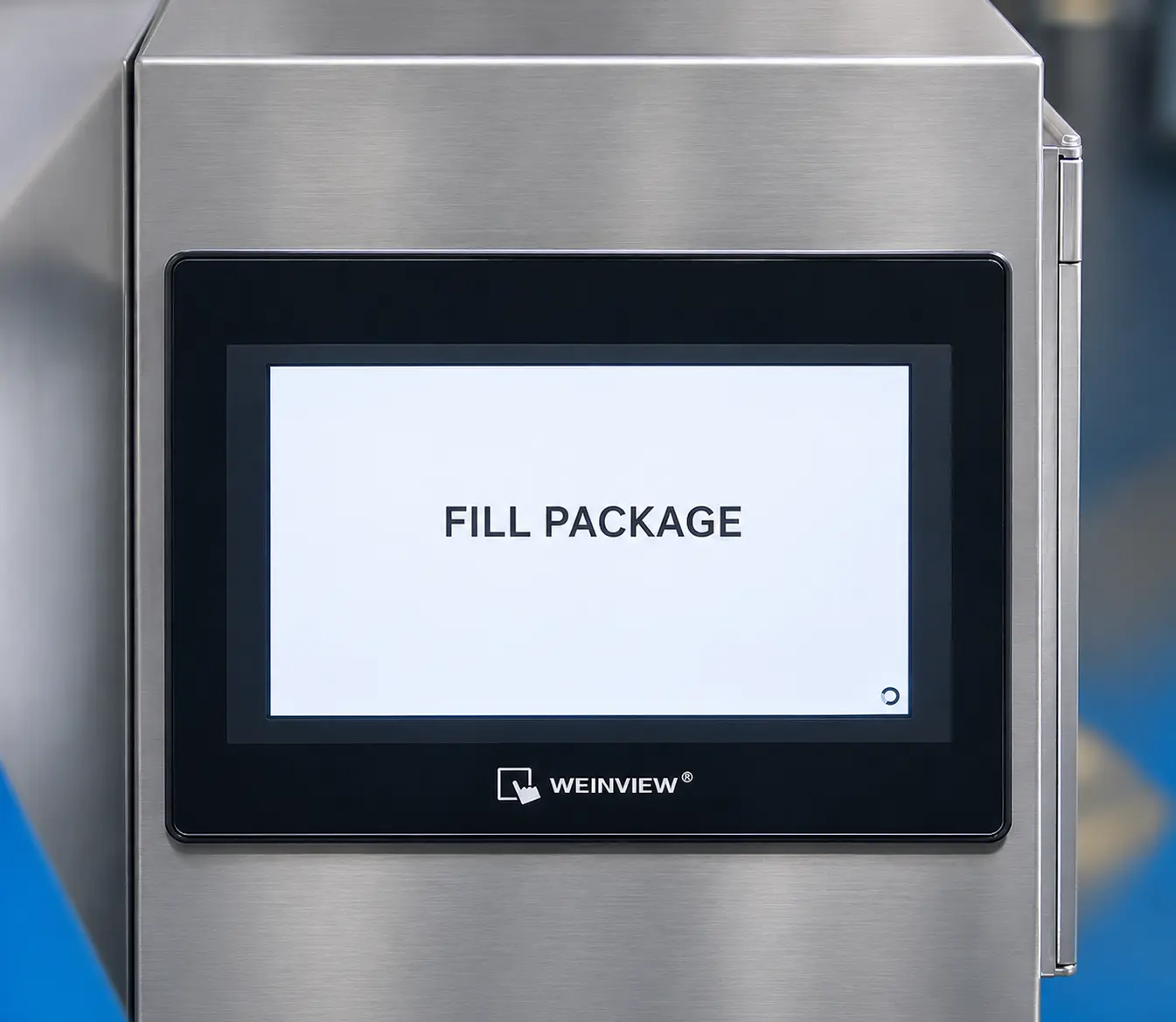
The machine sequence is managed by a Mitsubishi PLC .Operators work through a Weinview (Weintek) touchscreen, designed to be simple to use:
- Multiple languages can be set.
- 20 formulas (recipes) can be stored for different packaging weights, so changing product takes seconds instead of repeated manual settings.
- Automatic fault diagnosis shows what is wrong, which makes maintenance easier.
Sealing control: Carlo Gavazzi solid state relays
Carlo Gavazzi solid state relays control the heating circuits. The horizontal and vertical sealing temperatures are controlled independently, and each can be adjusted for the film material and the running speed. This is important for laminated films, which need different sealing conditions.
Smooth film pulling
A servo motor drives a double film-pulling system. The pulling position is precise and the speed is fast and stable, and the design is well suited to water-soluble films, which can be pulled for long periods without damage. The servo drives in the control cabinet are Сименс units
Smooth film release and tracking
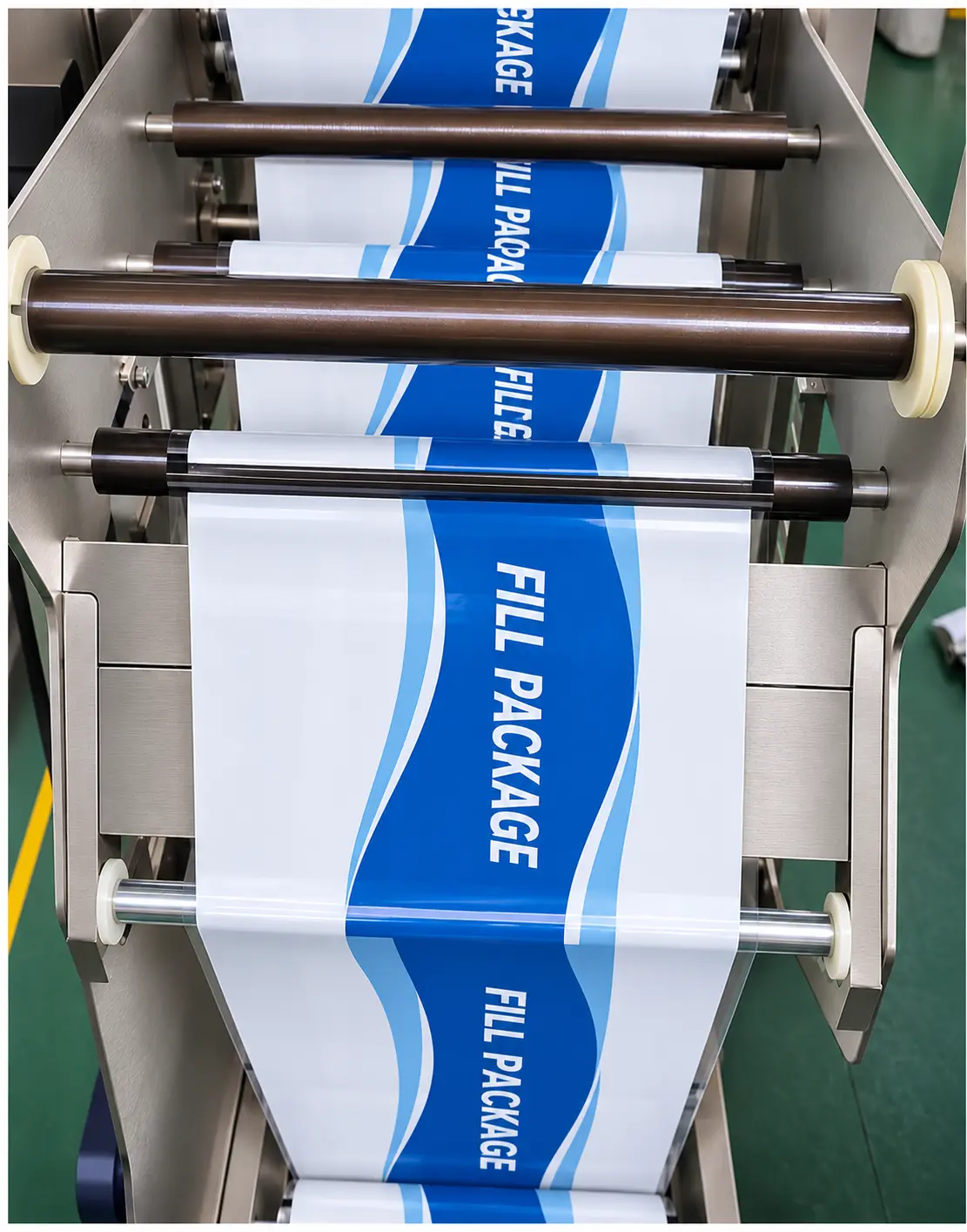
A special film-release mechanism lets water-soluble film unwind smoothly. A photoelectric sensor helps keep the film in order and prevents it from drifting off centre. The servo film-transport system is accurately positioned to keep bag length consistent, and film deviation can be corrected directly from the display screen instead of by manual adjustment.
Bag forming and sealing
The bag former is precision-made, strong and resistant to deformation. It keeps the film flat and free from scratches, so bag forming is consistent and bag size does not drift. Horizontal and vertical sealing are pneumatic, with smooth and reliable movement that gives a tight, firm seal without air leakage. An exhaust device can be added to prevent bulging.
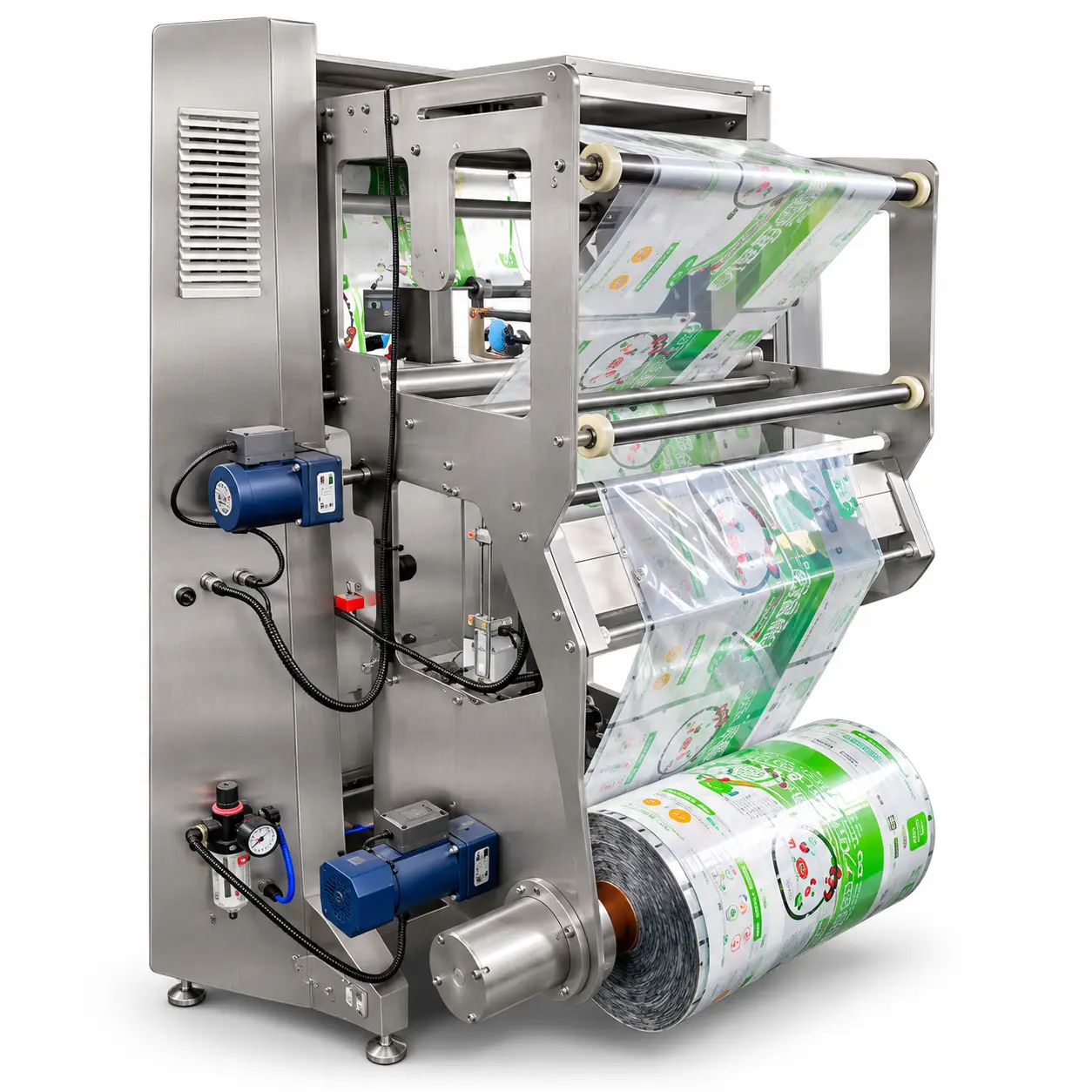
What this means for you: reliable film transport, consistent bag length, repeatable seals and fast product changeovers, with less film waste and fewer stoppages.
See our VFFS packaging machines.
7. Supplier Qualification & Quality Management
Good components start with good suppliers. We manage our supply base through a documented process: [CONFIRM this describes the process currently in use.]
Step 1: Supplier qualification
- A new supplier goes through a qualification audit.
- If the audit is passed, the supplier delivers a small batch for trial production, and the first samples are tested by QC, engineering and production.
- If three consecutive batches reach a pass rate of at least 99.5%, the supplier is approved. Otherwise the process stops.
- Approved suppliers go into periodic evaluation. A score below 70 leads to supply suspension and corrective action. A score above 90 can lead to a strategic partnership award.
Step 2: Tiered supplier certification
| Уровень | Certification standards | Management |
| Strategic | 5+ years of cooperation, more than 30% of supply ratio, ISO 9001 or IATF 16949 certified | Quarterly evaluation, quarterly technical sharing, priority in new product development |
| Core | 2+ years of supply, batch defect rate of 0.1% or less | Semi-annual evaluation, price protection period |
| Preferred | Passed sample testing, kept as a necessary alternative | Annual evaluation, quarterly random sample inspection |
Step 3: Annual performance evaluation
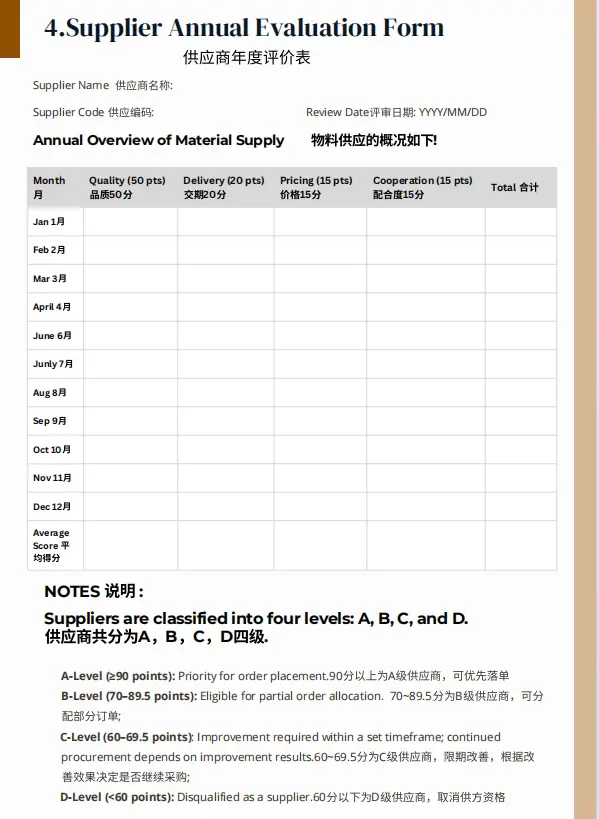
Every supplier is scored out of 100 points:
| Criterion | Points | How it is scored |
| Качество | 50 | 50 × incoming pass rate |
| Delivery | 20 | 20 × on-time delivery rate |
| Pricing | 15 | Assessed by Purchasing against industry price levels |
| Cooperation | 15 | 5 points each from Quality, PMC (production planning) and Purchasing |
Cooperation points are reduced when a supplier does not reply to a quality feedback form (−5), replies late (−3 each time) or shows no real improvement (−5 each time). Falsification of any kind leads to immediate blacklisting.
Scores decide the supplier grade:
| Grade | Score | Действие |
| А | 90 or above | Priority for orders |
| Б | 70 to 89.5 | Eligible for part of the orders |
| C | 60 to 69.5 | Must improve within a set time; further purchasing depends on the result |
| D | Below 60 | Removed from the supplier list |
A supplier is also downgraded if it scores below 70 in two evaluations in a row. The evaluation form is signed by the Quality, Purchasing and Production managers.
Step 4: Joint improvement
When a Core-level or higher supplier has a systemic quality problem, we set up a joint task force with the supplier’s technical and production teams. The supplier issues an 8D report within 72 hours to identify the root cause, and supply resumes only after the improvement is verified.
Keeping supply stable
For imported chips and other long-lead-time components we hold safety stock based on lead time, average consumption and a risk factor, and we keep qualified alternatives ready for critical parts.
Read more in our articles on [Supplier Grading & Certification]
8. Incoming Component Inspection & Traceability
Even approved suppliers can ship a wrong or faulty part, so we check parts when they arrive.
Inspection process
- Receiving and quick screening:model, specification, quantity and appearance are checked against the purchase order.
- Risk classification:high-risk materials get full inspection; others are sampled.
- Inspection and report:the result is recorded in an inspection report.
- Pass:parts are labelled and stored.
- Fail:parts are isolated and reviewed by a Material Review Board (MRB), which decides on return, special approval or rework.
The MRB brings together the Quality engineer, Purchasing (cost), R&D (technical feasibility) and Production (risk of stopping the line) before making a decision.
Risk-based inspection
We put inspection effort where the risk is highest.
| Материал | High risk | Medium risk | Low risk |
| Нержавеющая сталь | Food-contact equipment: full composition check and salt-spray test on every batch | Composition sampling every 3 batches | Non-food brackets: monthly spectrometer sampling |
| Электрические компоненты | ST / NXP chips: 100% electrical testing and X-ray inspection | 20% electrical testing and visual check | Resistors and capacitors: certificate check and visual inspection |
| PCBs | Main boards: 100% impedance and thermal stress testing | Flying probe test on part of the test points | Consumer-grade boards: IPC certificate verification |
Inspection tools include a handheld spectrometer for stainless steel (results uploaded to our MES), an automated test bench for electrical components, and AOI and ICT in-line testing for PCBs.
Zero-tolerance items
| Материал | Critical defect | Действие |
| Нержавеющая сталь | Nickel below 7.5%, or rust in the salt-spray test | Full batch returned |
| Электрические компоненты | Operating current deviation beyond ±10%, or dielectric failure | 100% returned, with compensation |
| PCBs | Insulation resistance below 100 MΩ, or failed flame retardancy | Rejected; certification upgrade required |
How we handle a defect
| Defect type | Return | Special approval | Rework | Use after sorting |
| Critical (safety risk) | Preferred | Not allowed | Not allowed | Not allowed |
| Serious (functional failure) | Preferred | Second option | Preferred | Not allowed |
| General (appearance) | Second option | Preferred | Preferred | Preferred |
Special approval applies only when the supplier gives a price reduction of at least 20%, provides a corrective action report, and the parts are used for the current batch only.
Inspection of parts is the first stage. The second is testing the finished machine before shipment. See how we test complete machines on our [Testing & Quality Control page]
9. Customized Component Options & FAQs
Every packaging project is different. We can discuss component options early, so the final configuration matches your product, plant standards and budget.
Which load cells do you use in your weighers?
Our multihead weighers use load cells from HBM and Minebea Intec. Tell us your target weight and accuracy, and we will confirm the load cell for your machine.
Can I specify a component brand?
In many cases, yes. Tell us which brands you prefer or already stock, and we will confirm whether they can be integrated into your machine. Availability, lead time and price may vary.
Can the motor or inverter be changed?
Often, yes. Options such as gear motor brand, inverter brand and HMI can usually be adjusted. We will confirm the effect on design, cost and delivery.
Do all your machines use the brands shown on this page?
No. The brands shown are examples of components used in selected configurations. Component brands and models vary by machine, configuration and availability. The exact brands are confirmed in your quotation and before production.
How can I confirm the actual components in my machine?
Request a detailed component list. It lists the main parts, brands and specifications for your configuration, and we confirm it before production starts.
Can your VFFS machine handle water-soluble film?
Yes. The servo double film-pulling system and the special film-release mechanism are designed for water-soluble film. Please send us a sample of your film so we can confirm it for your product.
Do you offer stainless steel 316L?
Yes, as an option, for products or cleaning methods that call for higher corrosion resistance.
How do I get replacement or spare parts?
We supply wear parts and spare parts for our machines. Contact us with the machine model and serial number, and we will advise on the right part. Spare Parts.
Can you provide material documentation?
We can provide relevant material documentation for the specific materials used in your machine. Please tell us your market and requirements at the enquiry stage.
Request a Detailed Component List
Tell us about your product, output target and plant conditions. Our engineers will recommend suitable materials and components, and send you a detailed component list for your configuration.